Project
Giuseppe Marchetti and the wayside chapels: signs, images, and memories of a territory
Client, year
Expertise
- Collection management
- Preventive conservation
- Digitization
- Cataloging
- Editorial design
- Exhibition design
- Enhancement of Cultural Heritage
Giuseppe Marchetti (Gemona del Friuli, 1902 – Udine, 1966) was one of the most influential figures in 20th-century Friulian culture. A prominent scholar of Friulian language and culture, as well as a historian, man of letters, teacher, and art historian, he devoted his life’s work to promoting the language, culture, and identity of the region. After completing his theological studies and being ordered a Catholic priest in 1925, he combined his religious vocation with a constant intellectual commitment, focusing particularly on the study of Old Friulian. His research on fourteenth-century texts remains a cornerstone in the historiography of the Friulian language. In 1936, he was sent to Ethiopia as a military chaplain. Upon returning to Friuli, he was appointed to a teaching position at the Istituto Magistrale Caterina Percoto. In 1944, however, his anti-fascist views led to his suspension and internal exile. After the Second World War, he once again became a leading voice in the regional intellectual debate, promoting Friulian identity through numerous articles published in "La Patrie dal Friûl". He was also among the principal advocates of local cultural renewal, playing a key role in the development of a common written form of the Friulian language, supported by a unified, simple and functional orthography. This proved to be a fundamental tool in the process of language standardization and its subsequent official recognition. Marchetti collaborated extensively with the Friulian Philological Society, for which he wrote numerous essays and, from 1961 onward, served as editor of the journal "Sot la Nape".
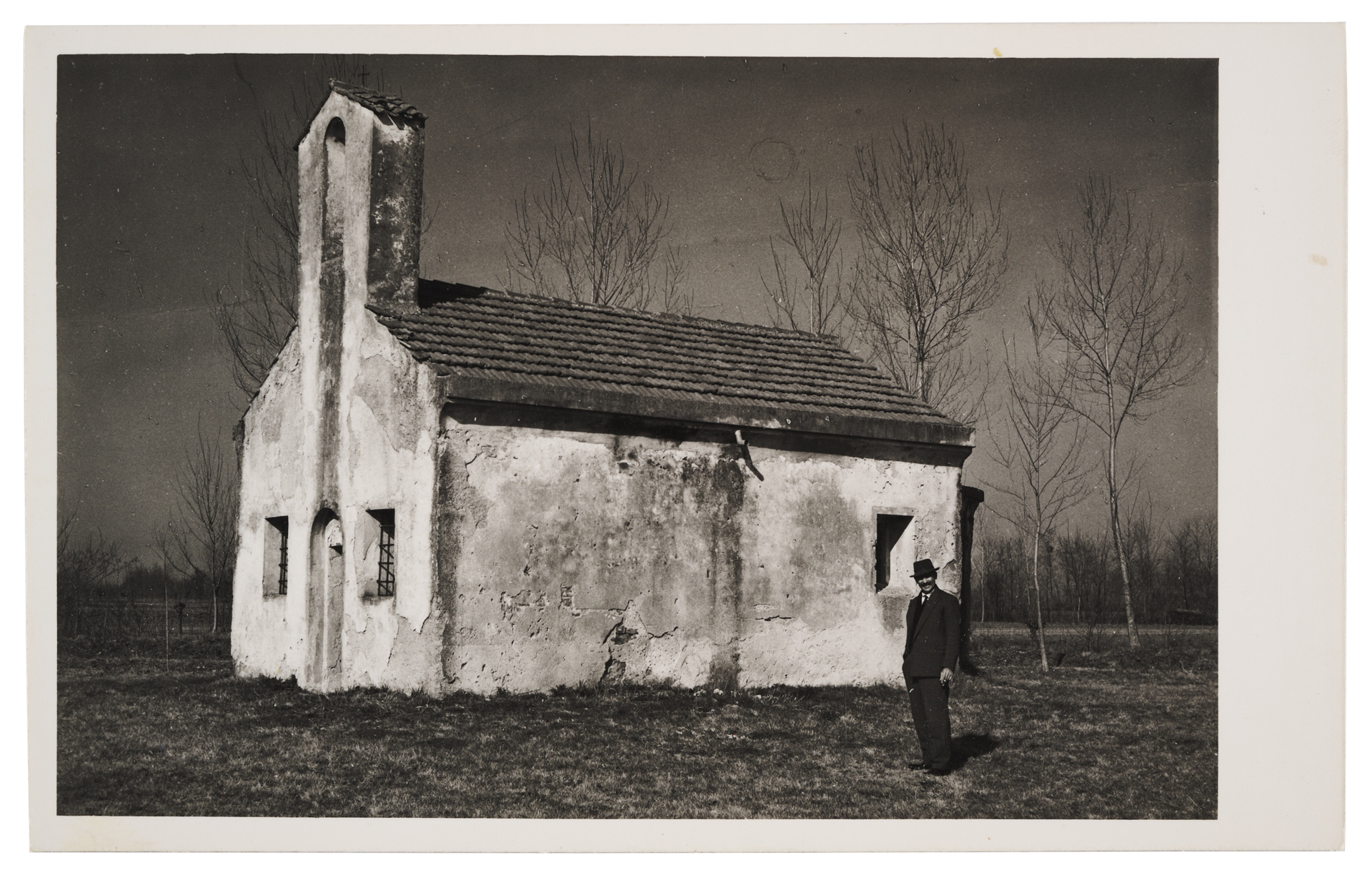
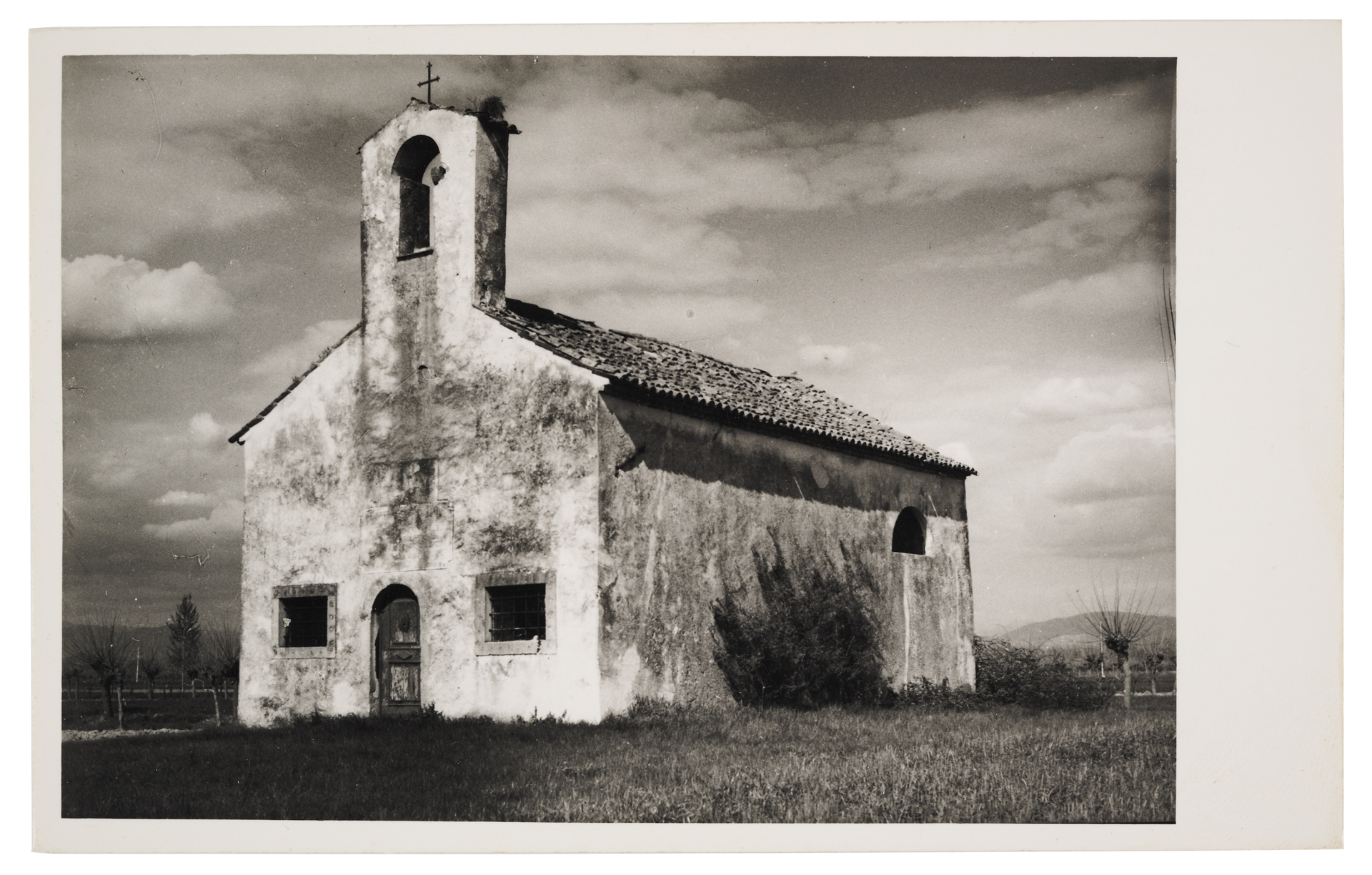
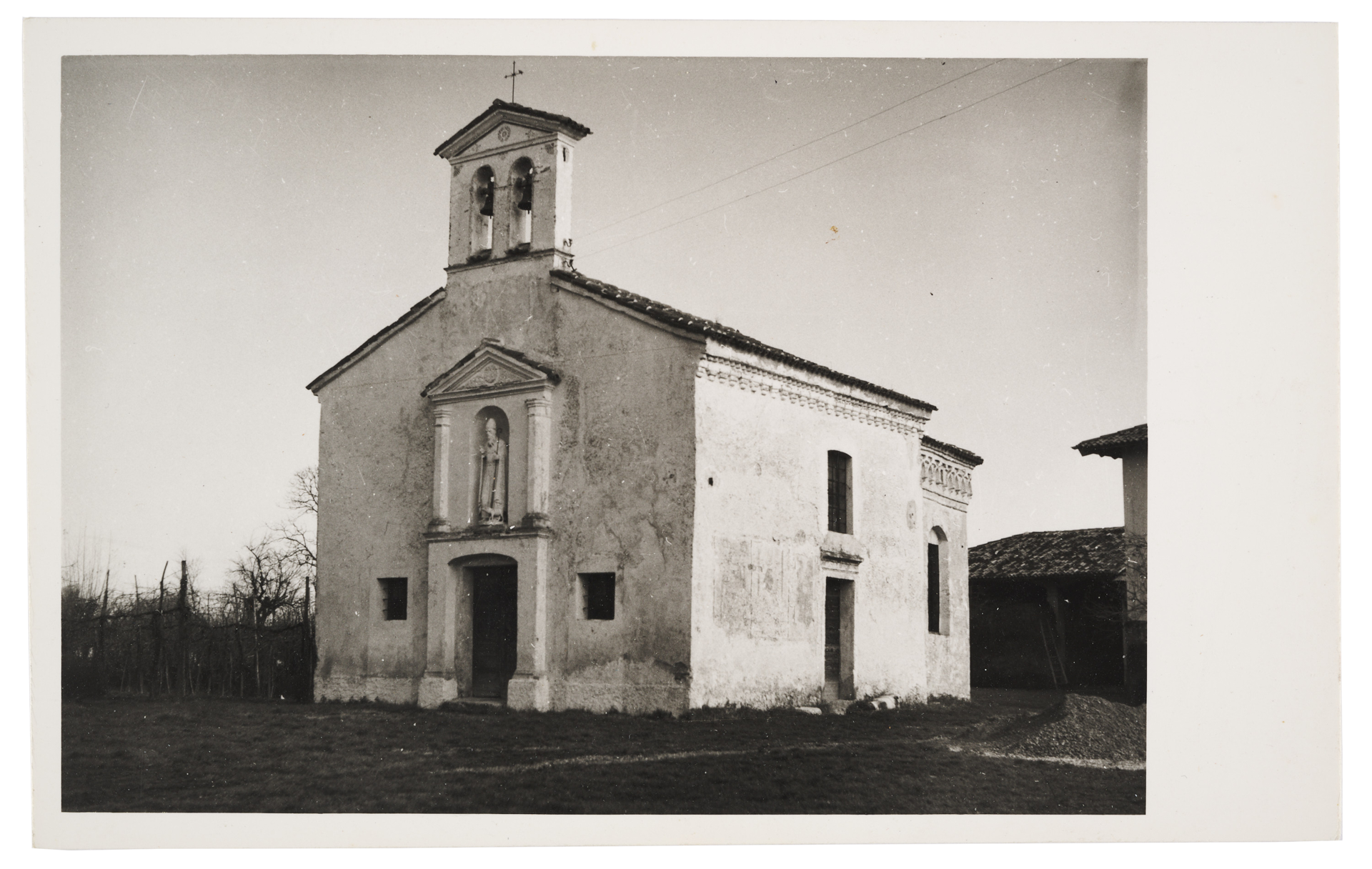


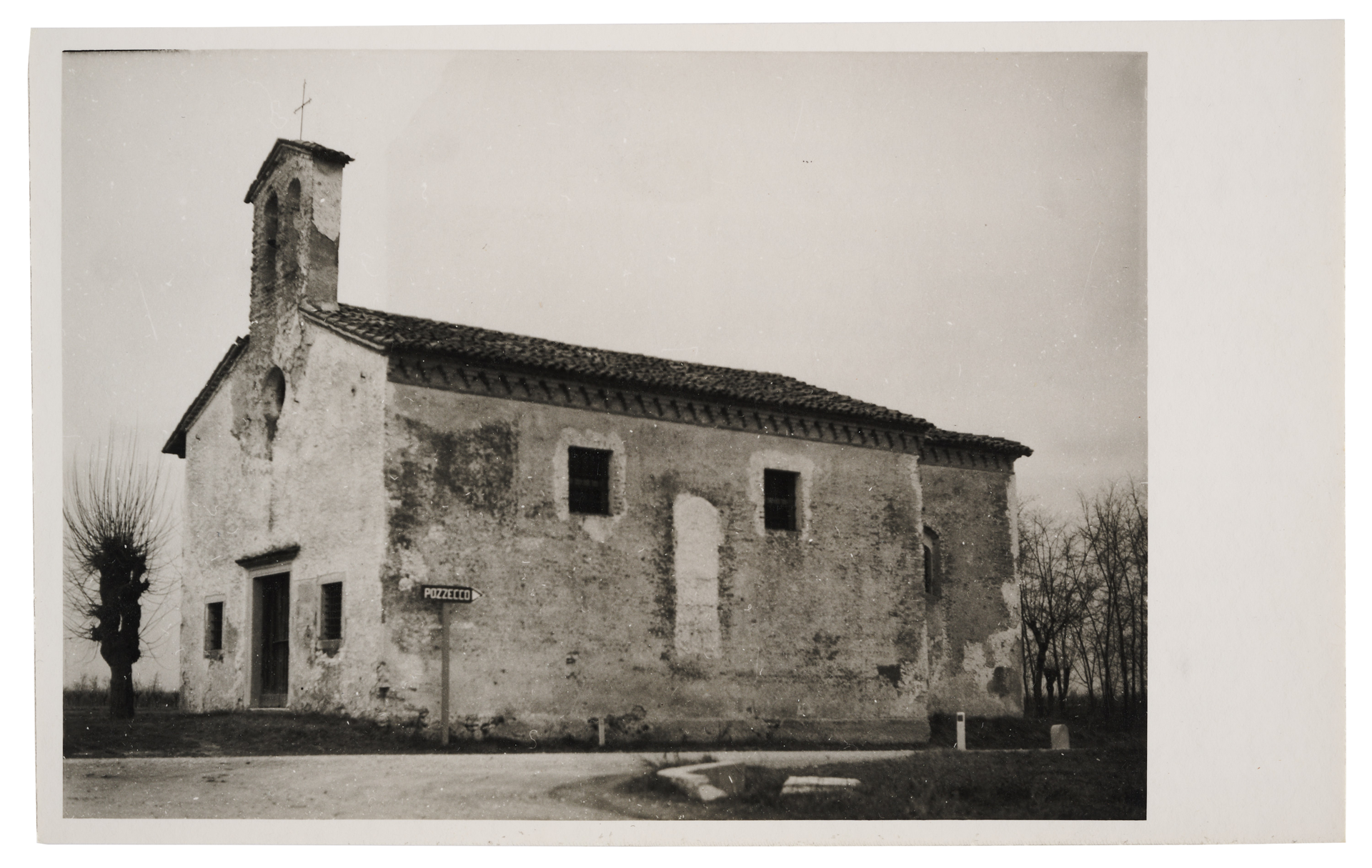
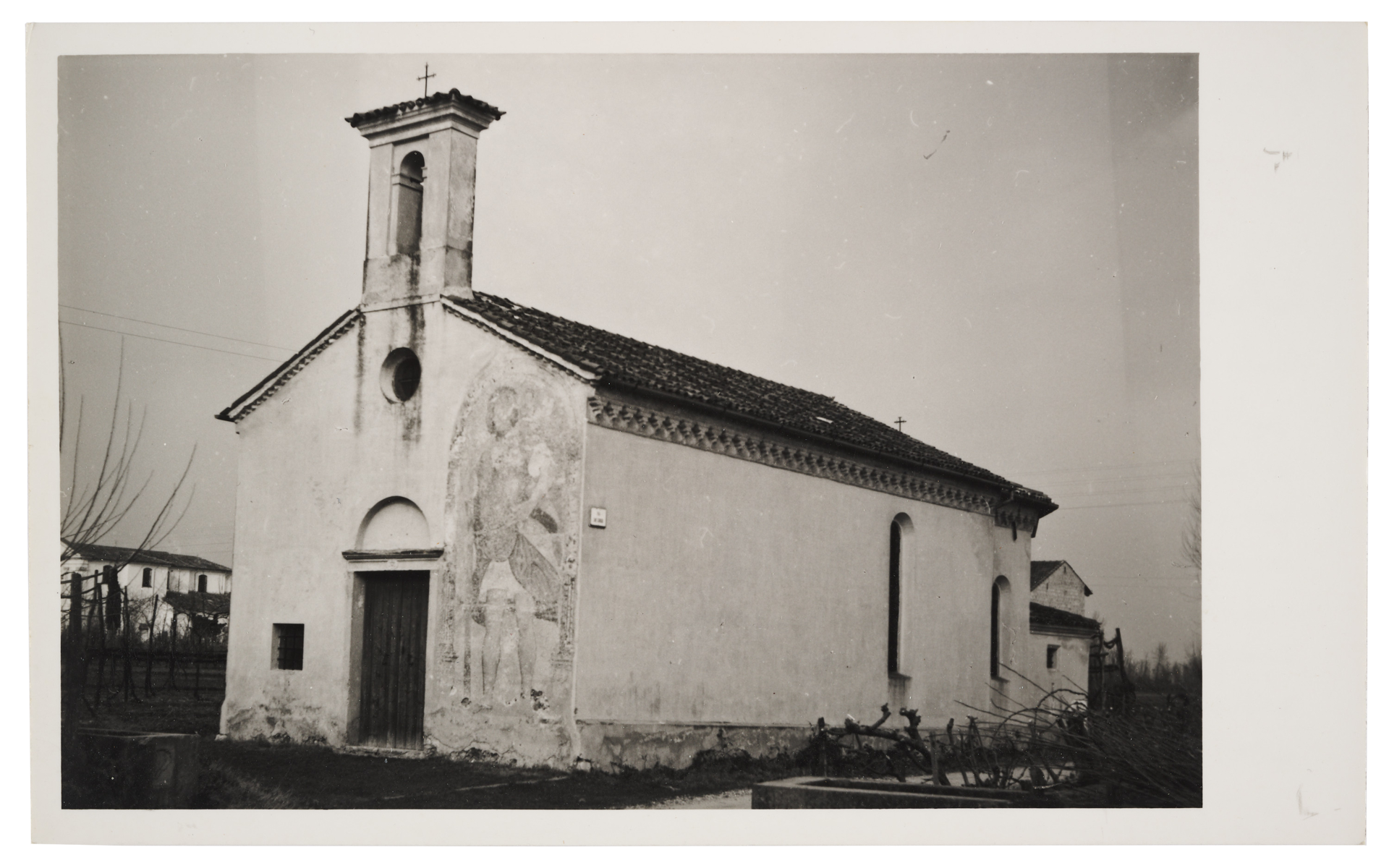
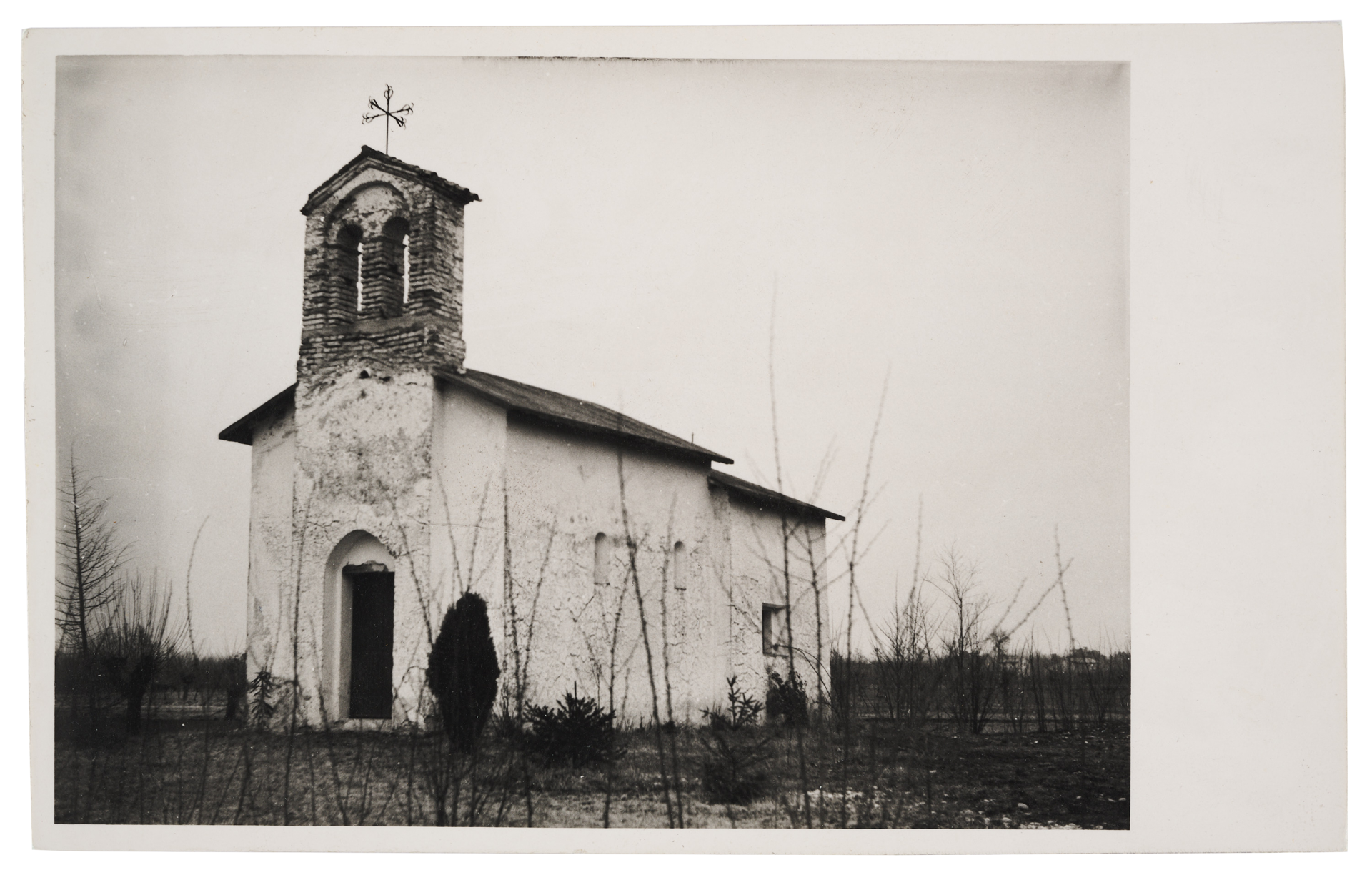
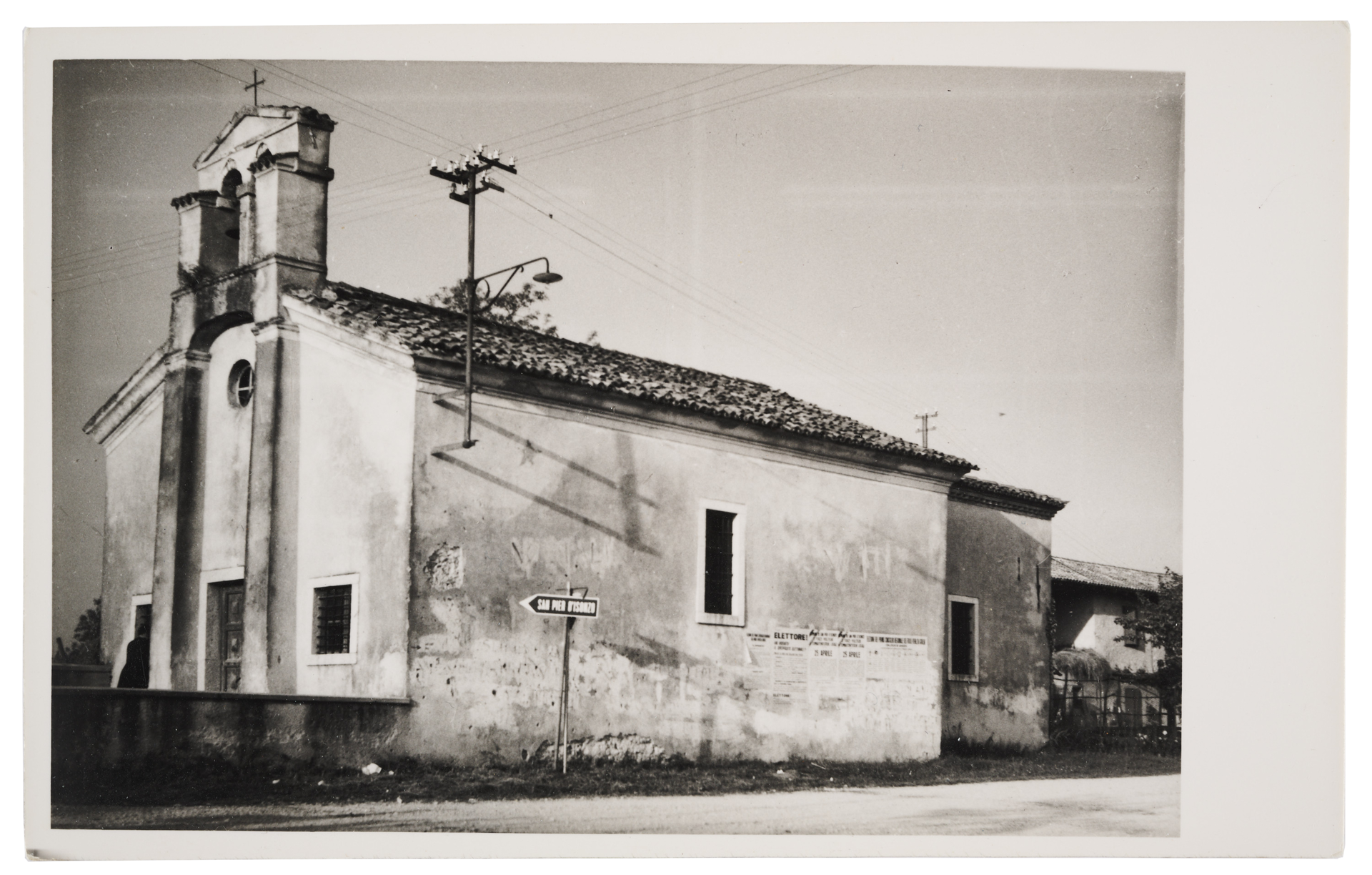
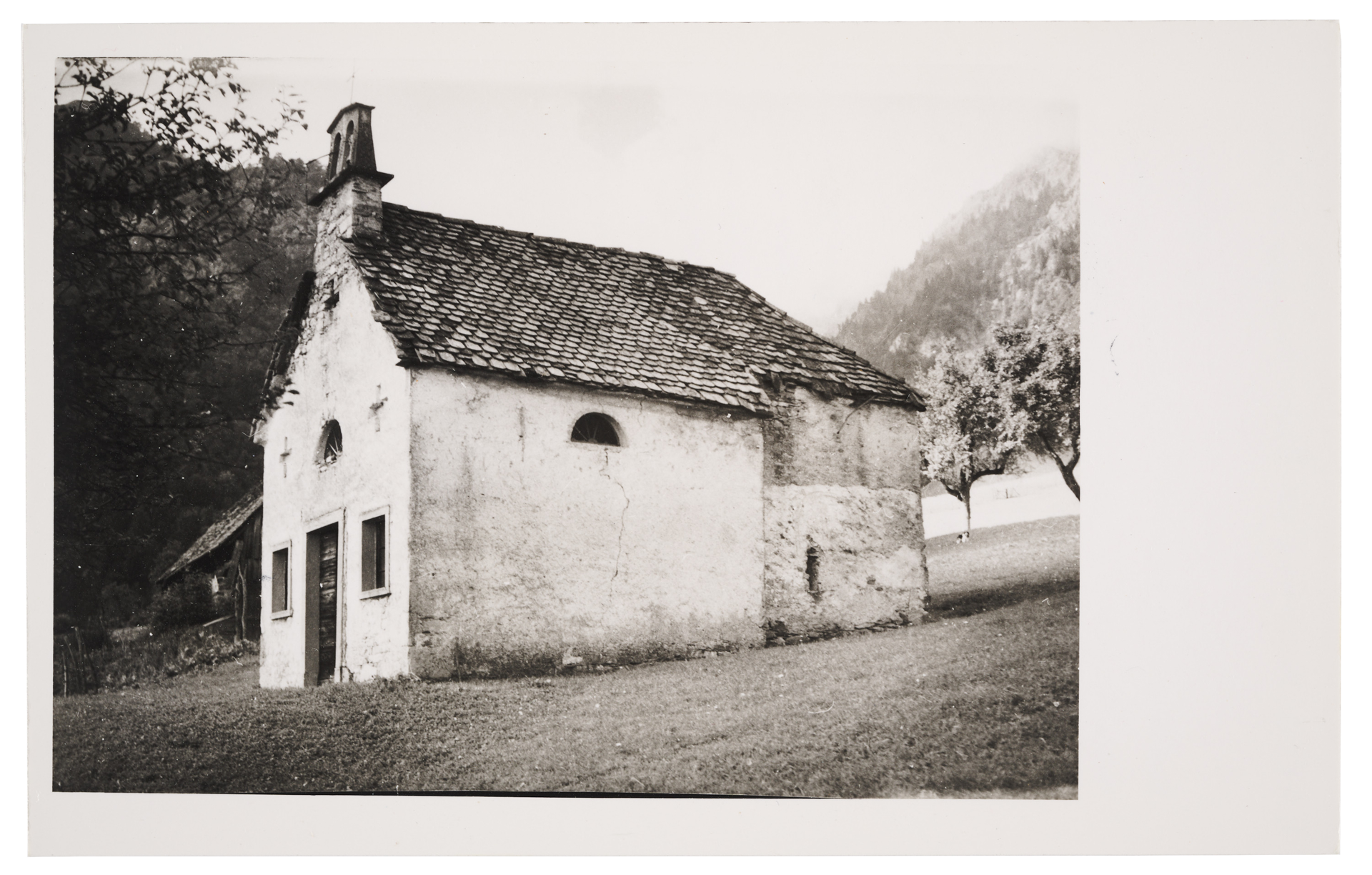
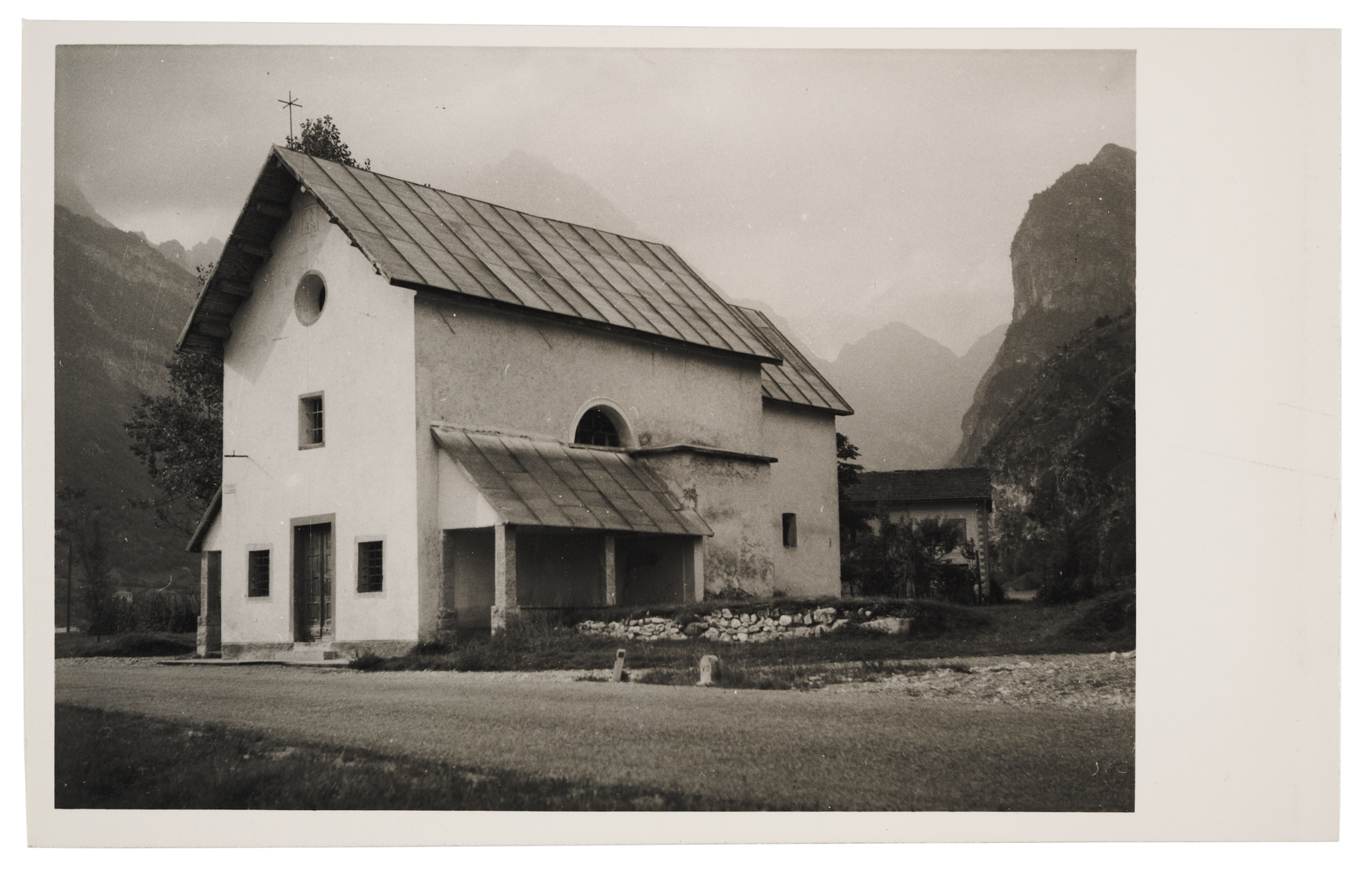

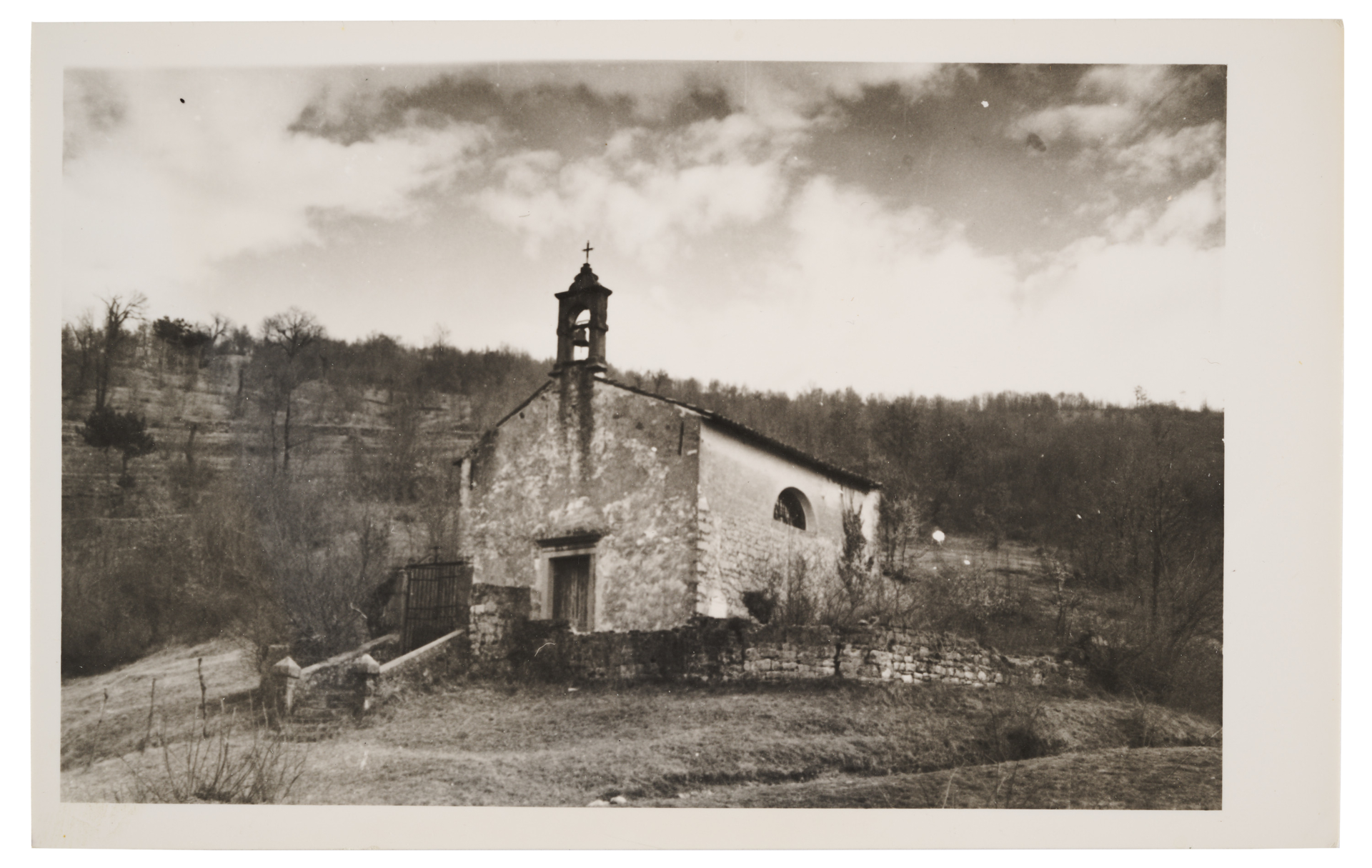
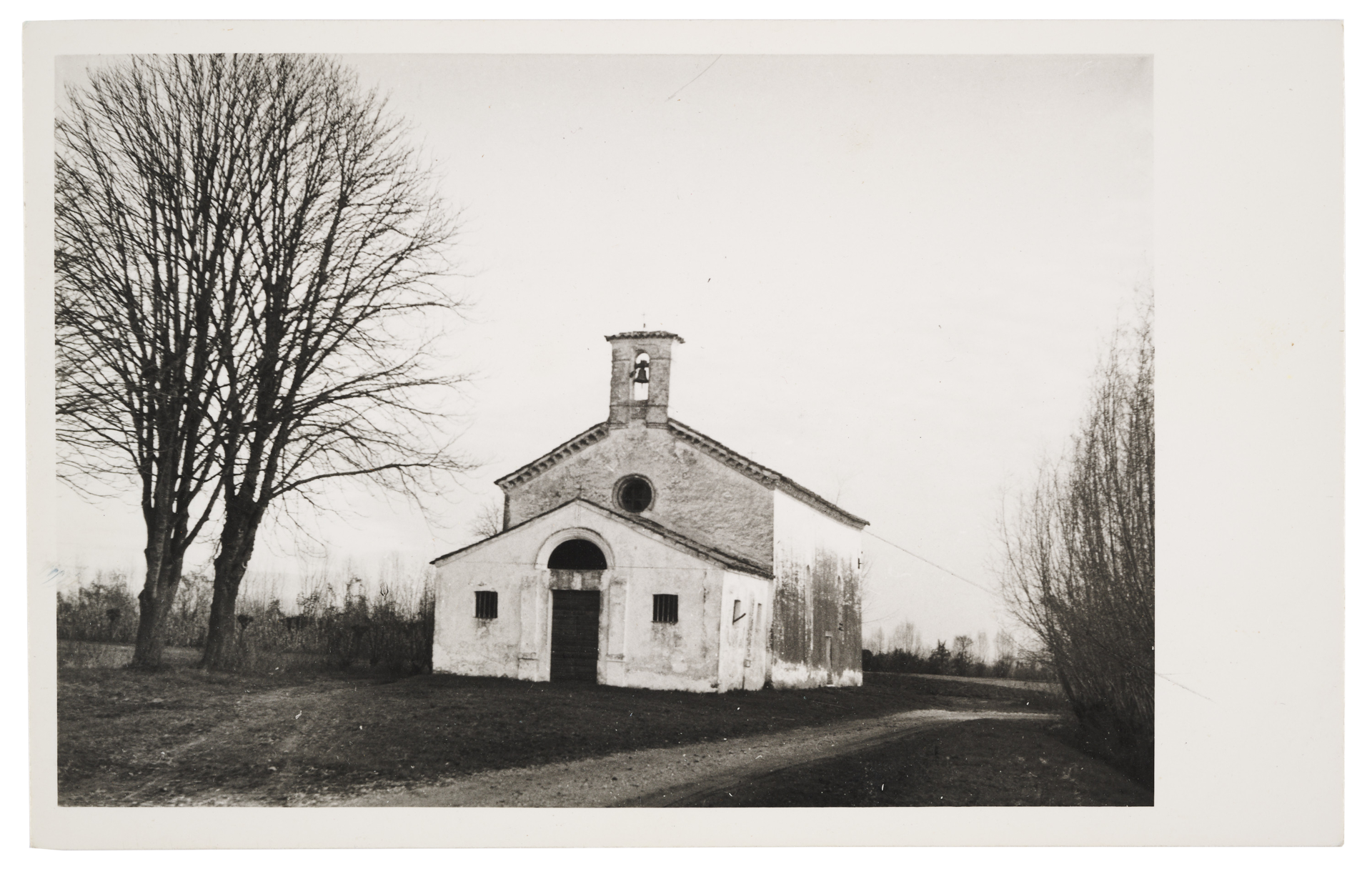
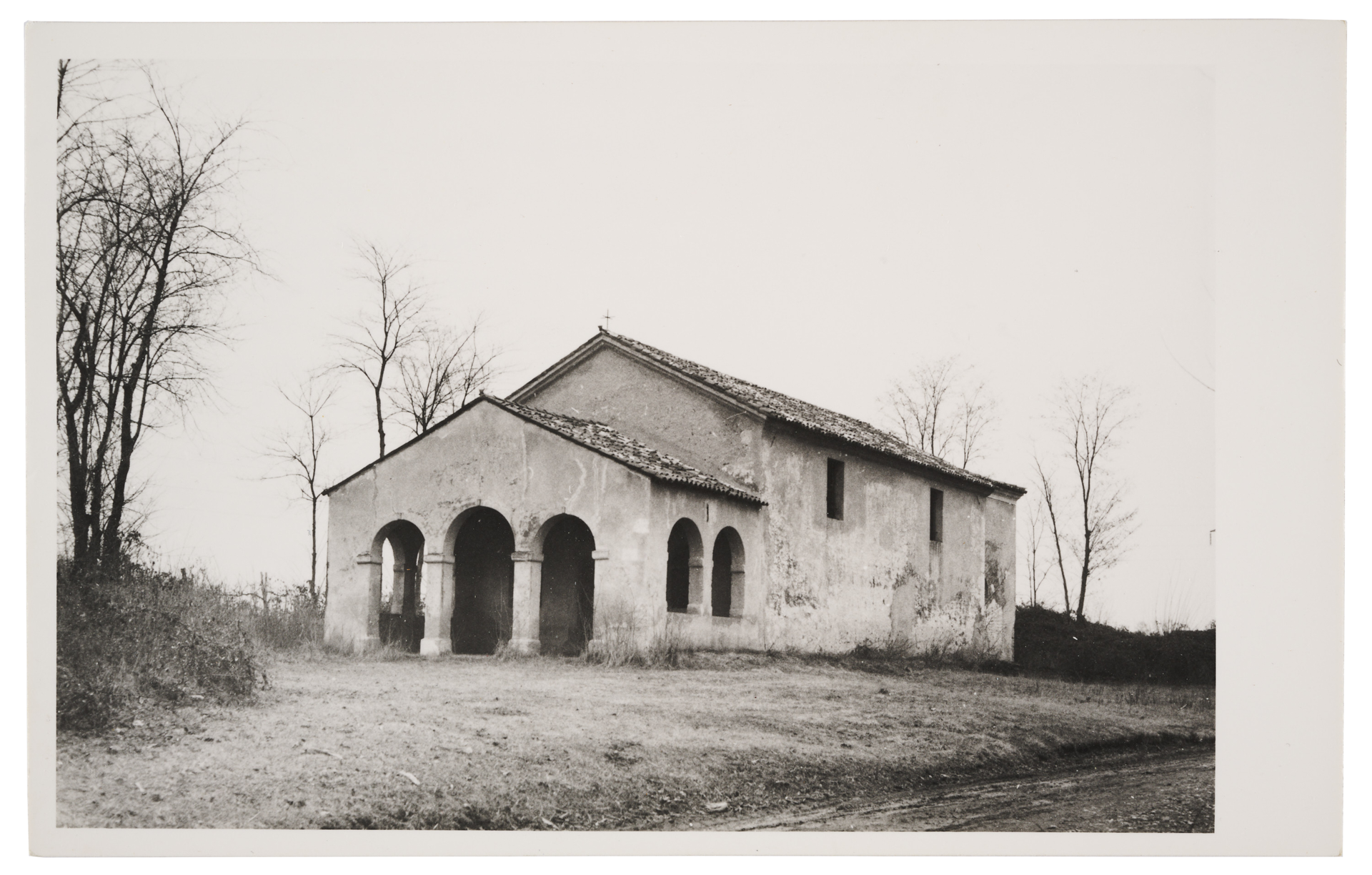
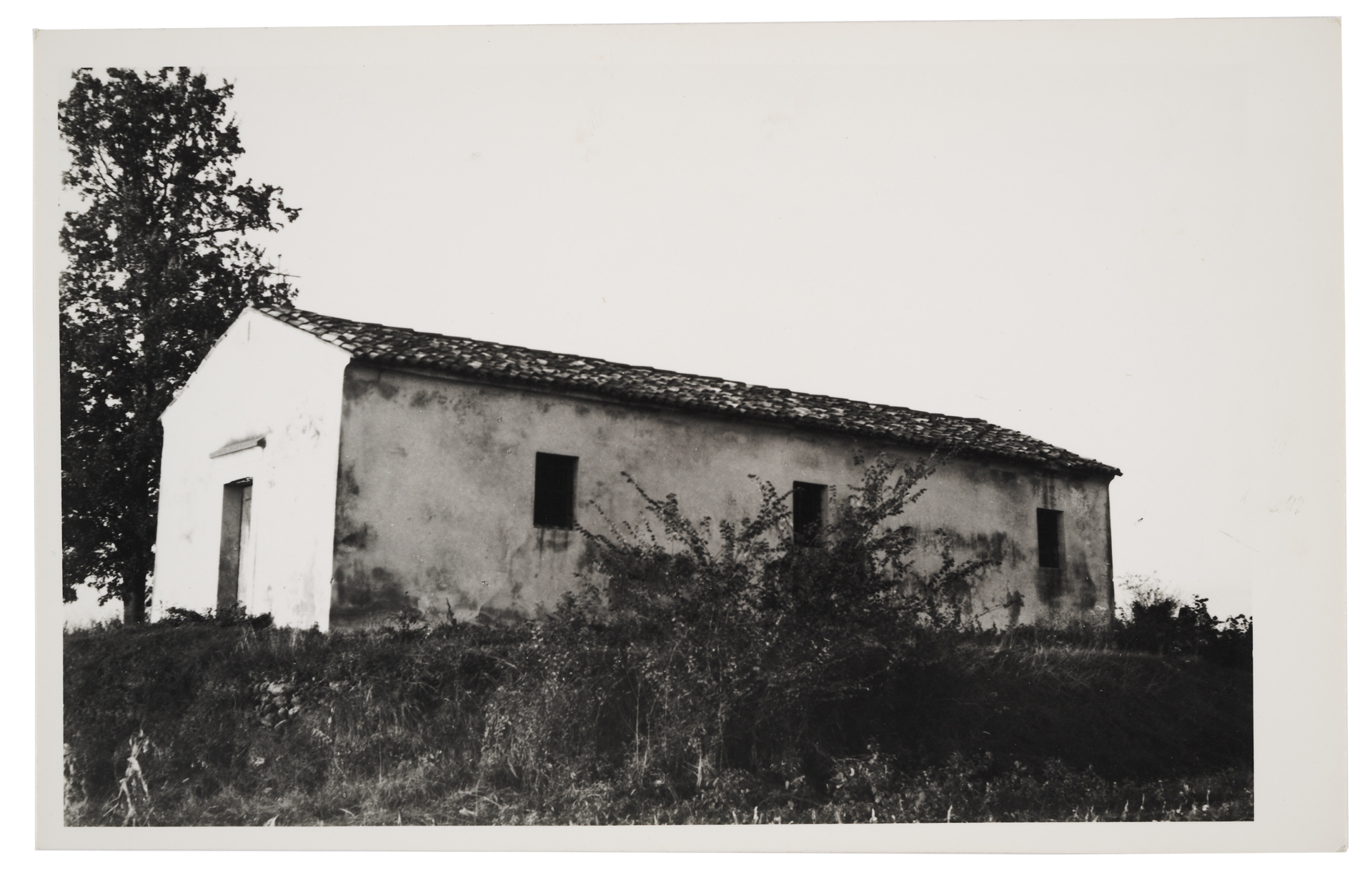
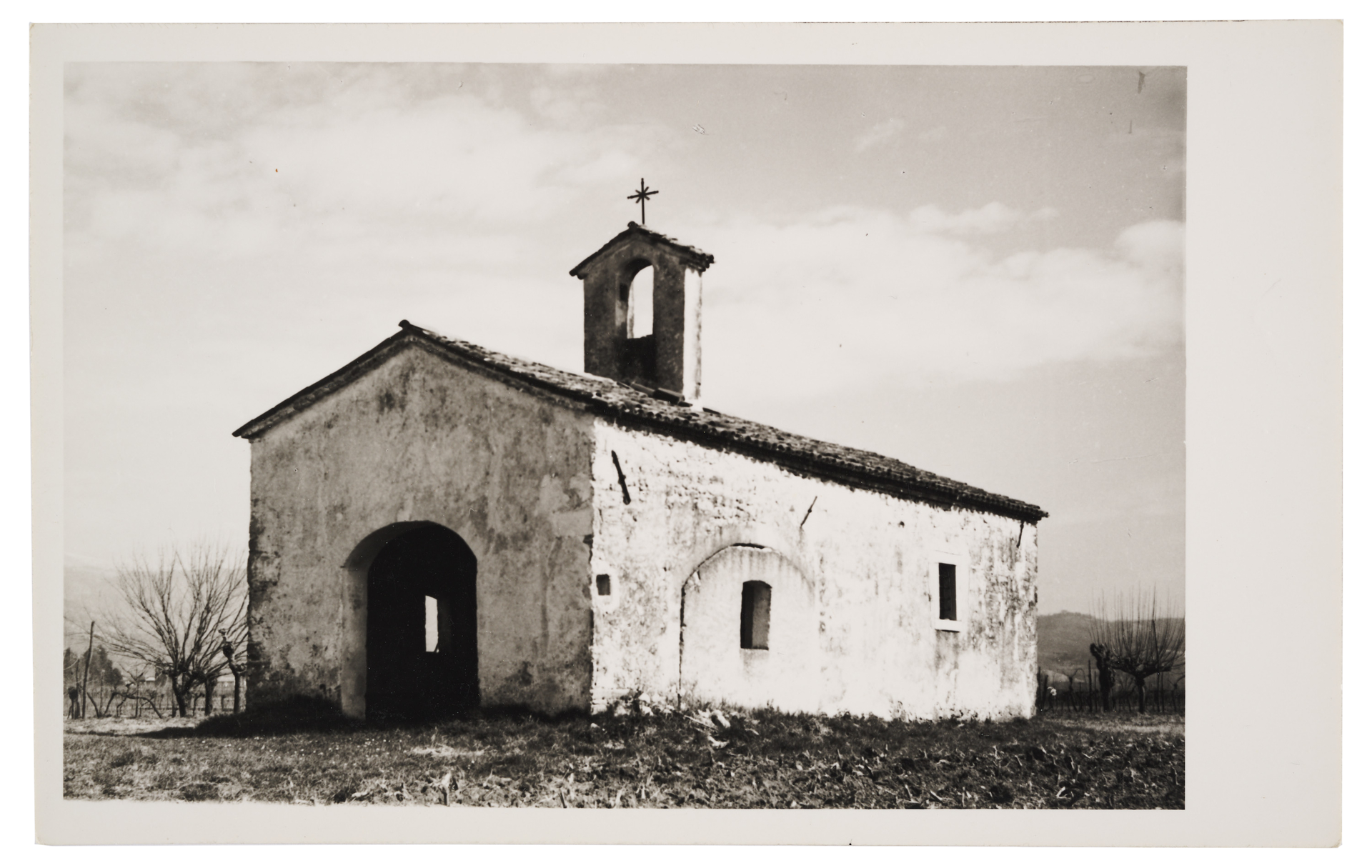
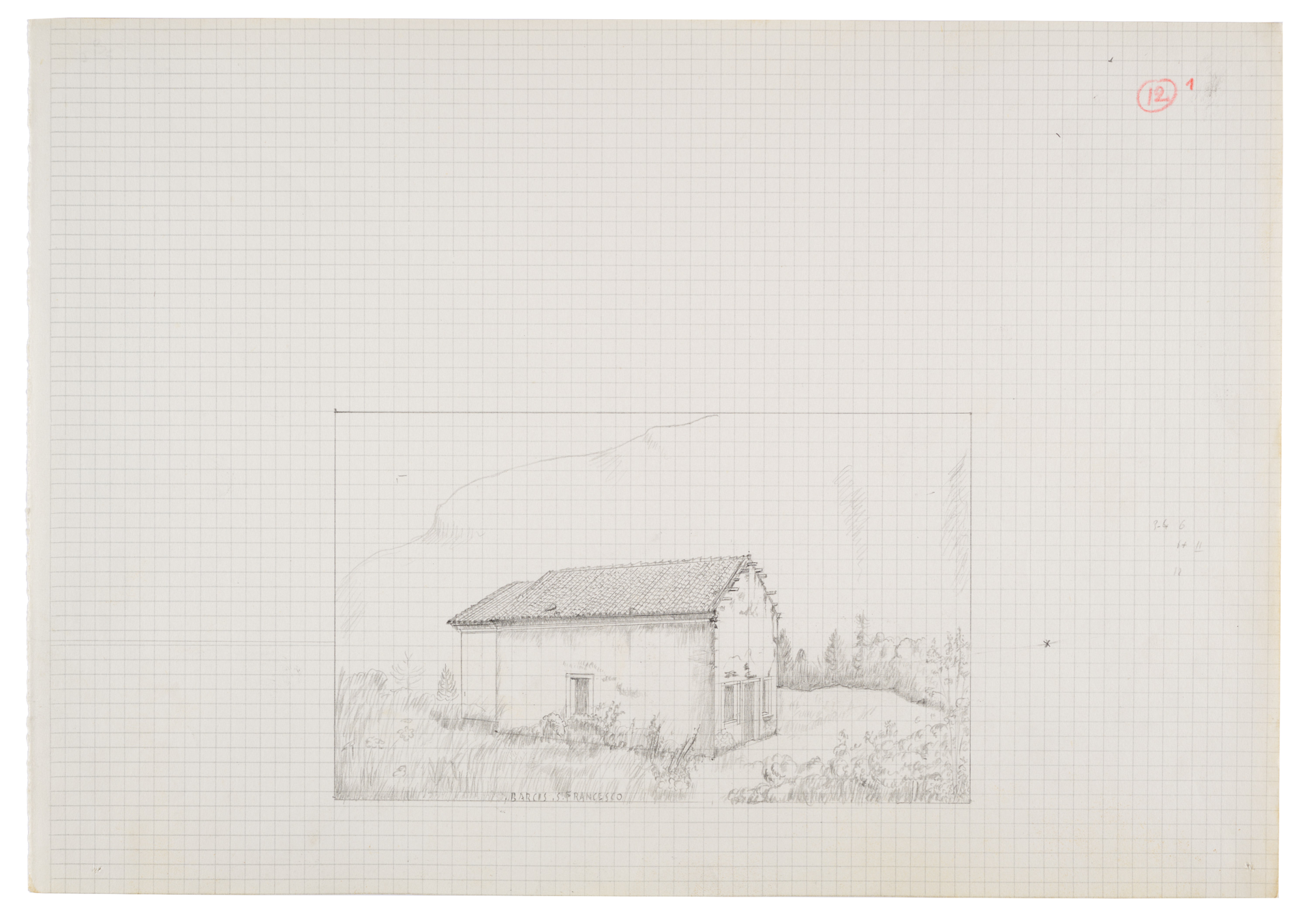
The field in which Marchetti expressed his originality most fully, however, was the study of Friuli’s artistic heritage and popular religious traditions. In the final years of his life, he devoted himself with remarkable dedication to a systematic investigation of the region’s votive churches and chapels, travelling through rural landscapes, villages, and mountain communities to document a widespread yet often overlooked cultural heritage. In the early 1960s, he embarked on a pioneering survey of chapels, oratories, and small sacred buildings scattered throughout the region, becoming the first to recognize their historical, artistic, and identity-forming significance. Rigorous in method and innovative in approach, his research combined photography, sketches, and ink drawings, creating an invaluable record of the diverse religious landscape of Friuli.
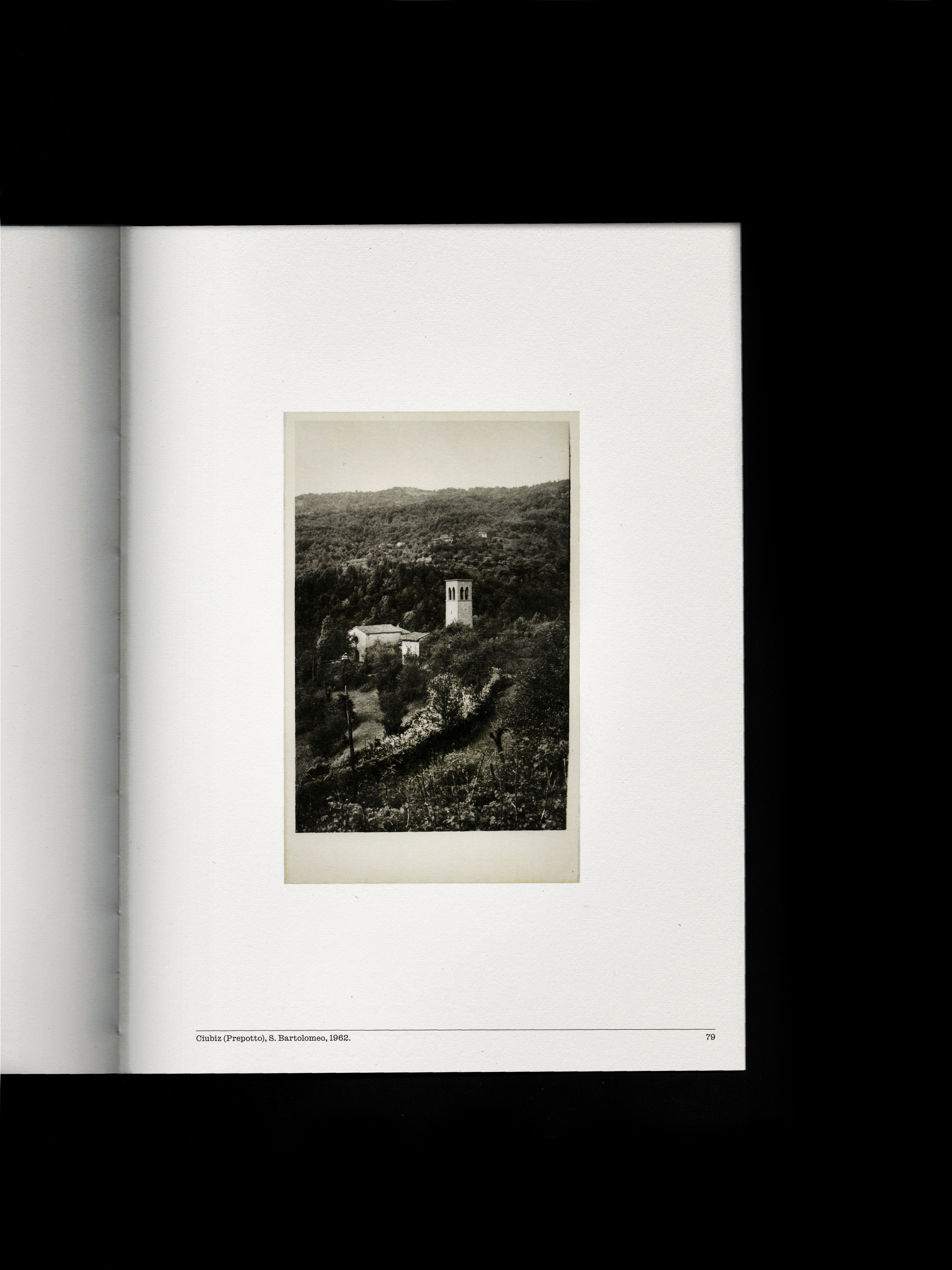
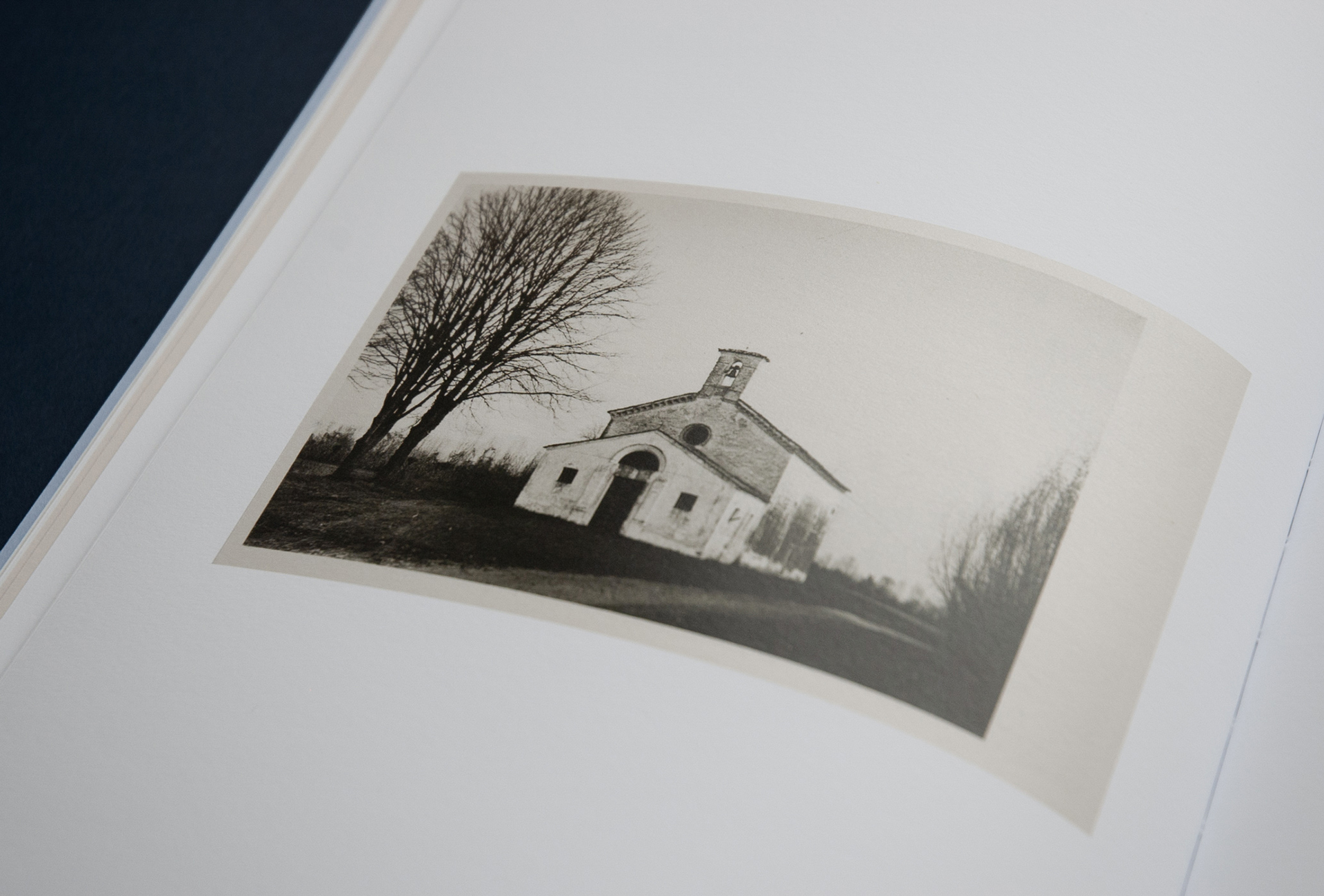
Through photographs and field drawings, Marchetti transformed these modest devotional structures into enduring symbols of the region’s historical memory and collective identity. The body of work he left behind remains an essential reference for understanding the cultural heritage of Friuli and its communities.
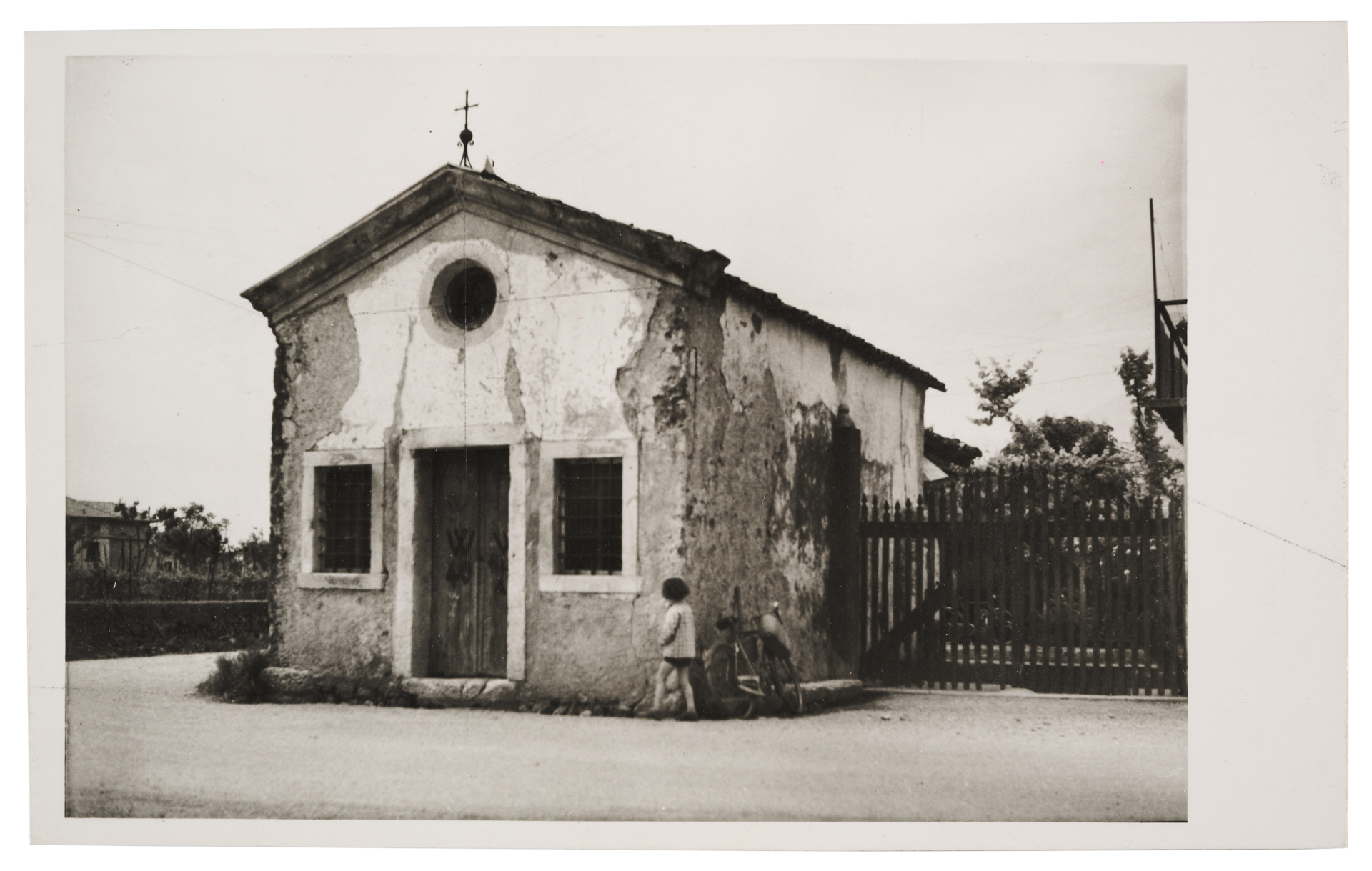
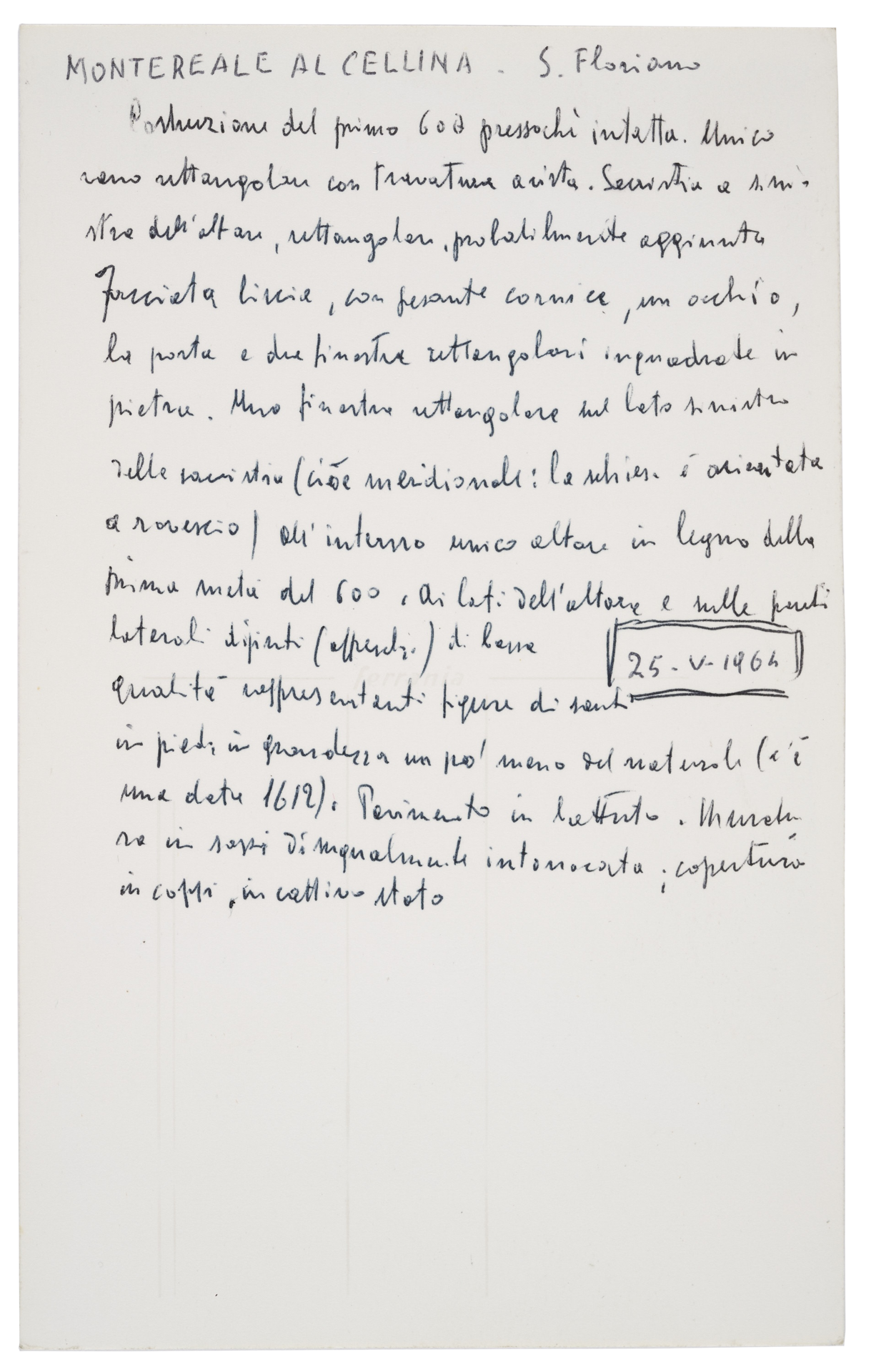
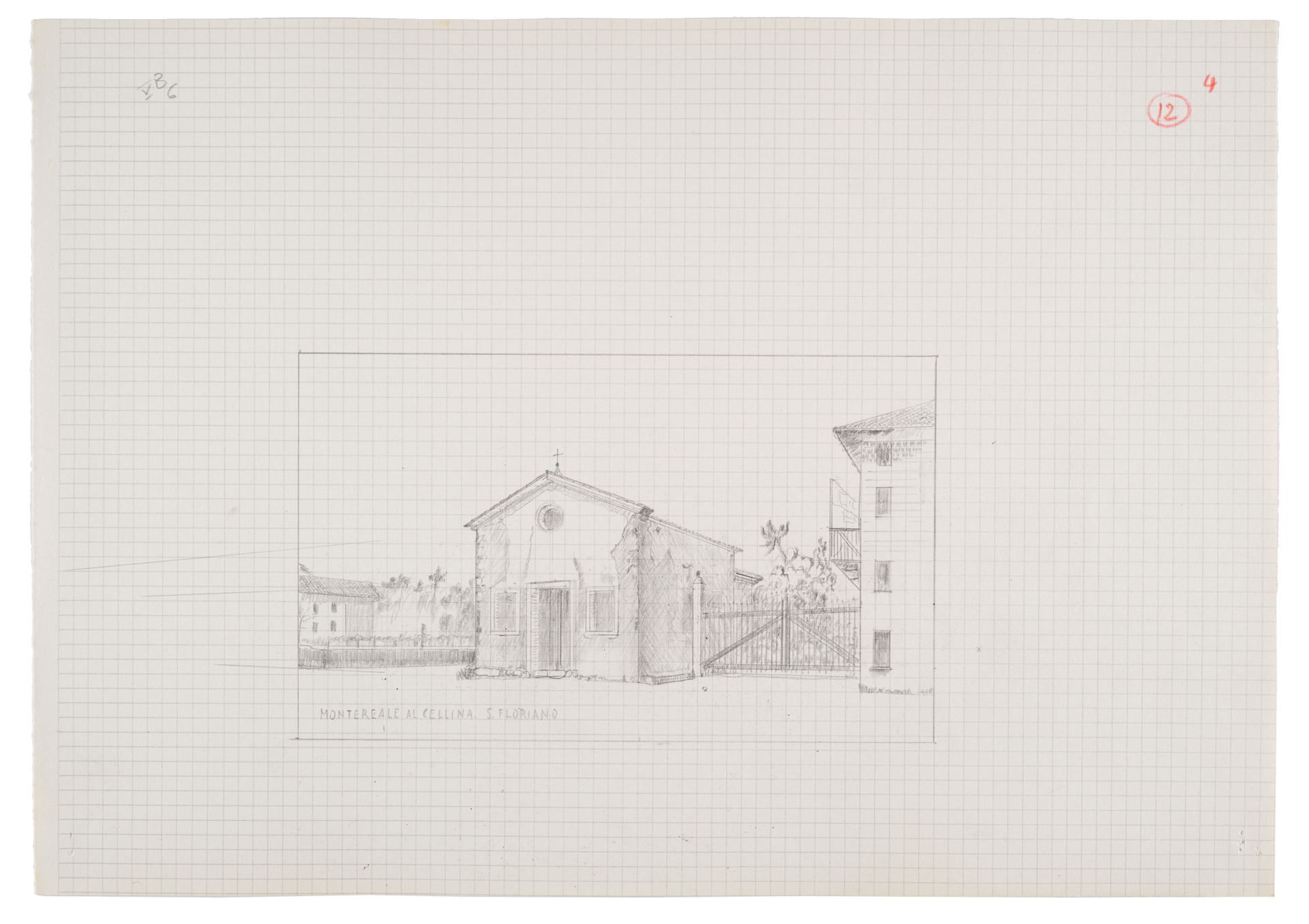
Commissioned by the Società Filologica Friulana, Grana Fina carried out an integrated project of archival survey, condition mapping, digitization, rehousing, and cataloguing in accordance with current ministerial regulations.
Within the scope of this assignment, 299 graphite drawings, 30 ink drawings, 361 silver gelatin prints, and all accompanying materials were secured and properly conserved. The cataloguing process enabled the collection to be reorganized according to coherent criteria, opening up new possibilities for interpretation, study, and enhancement of the materials.

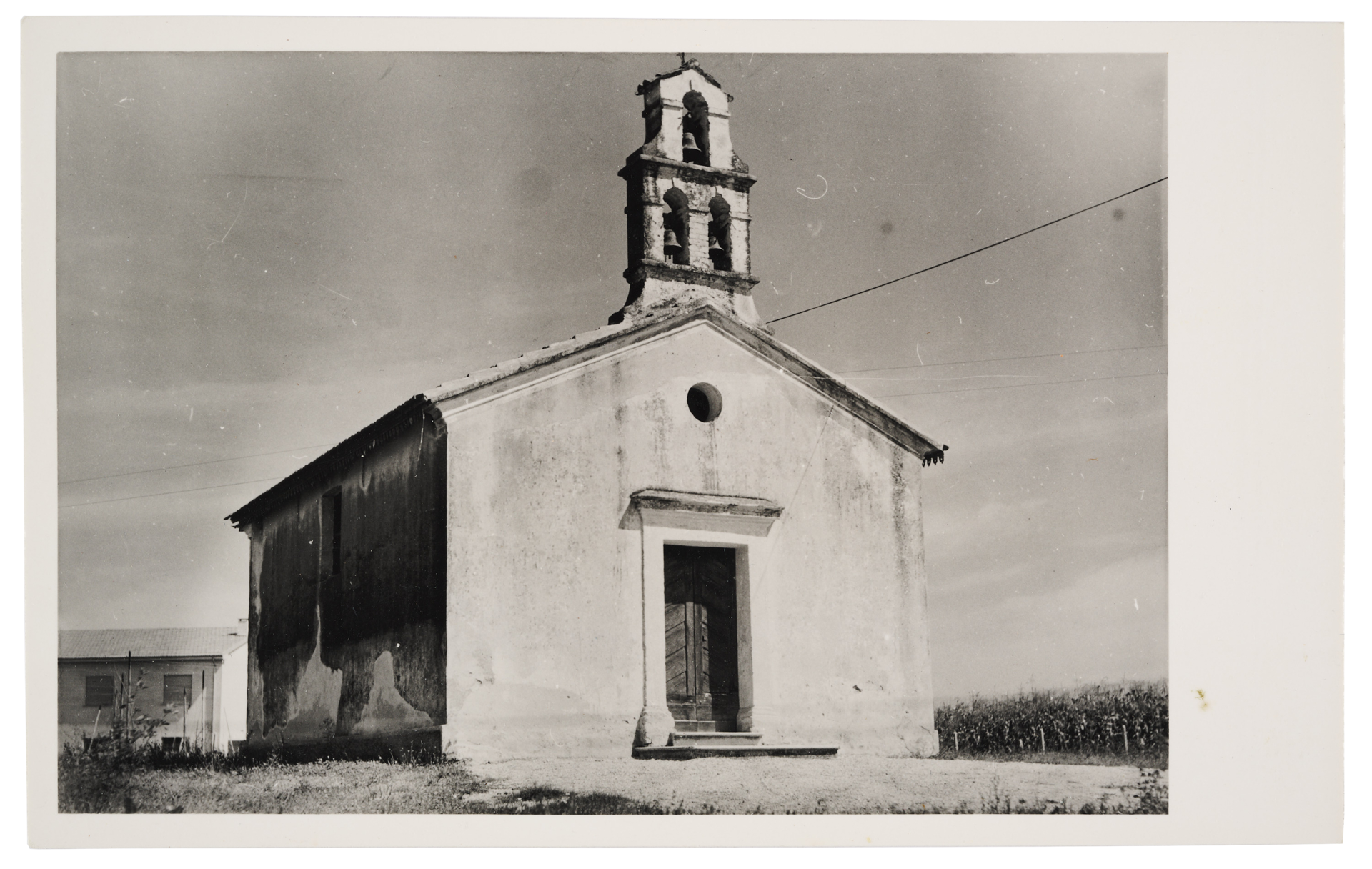
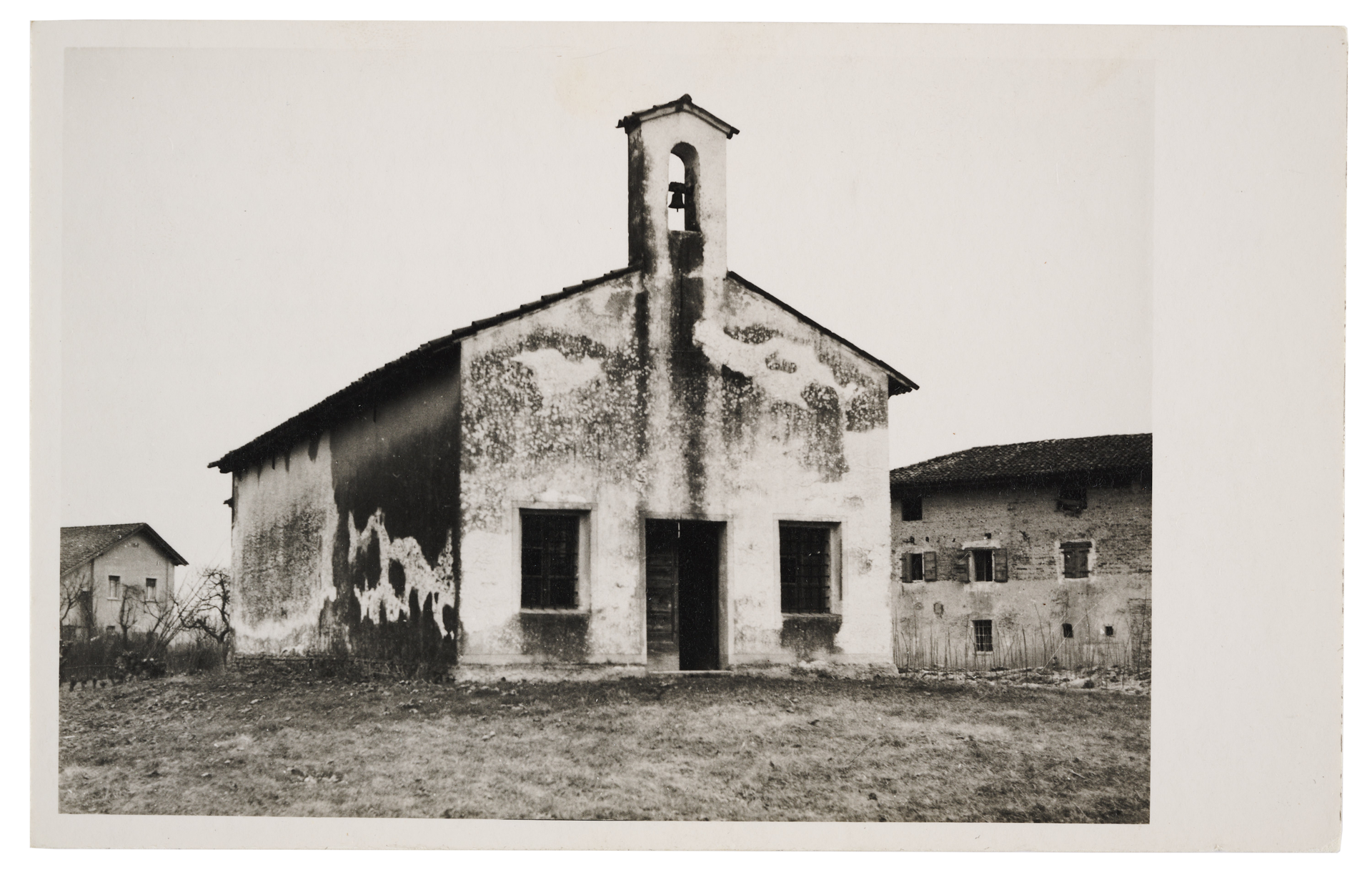

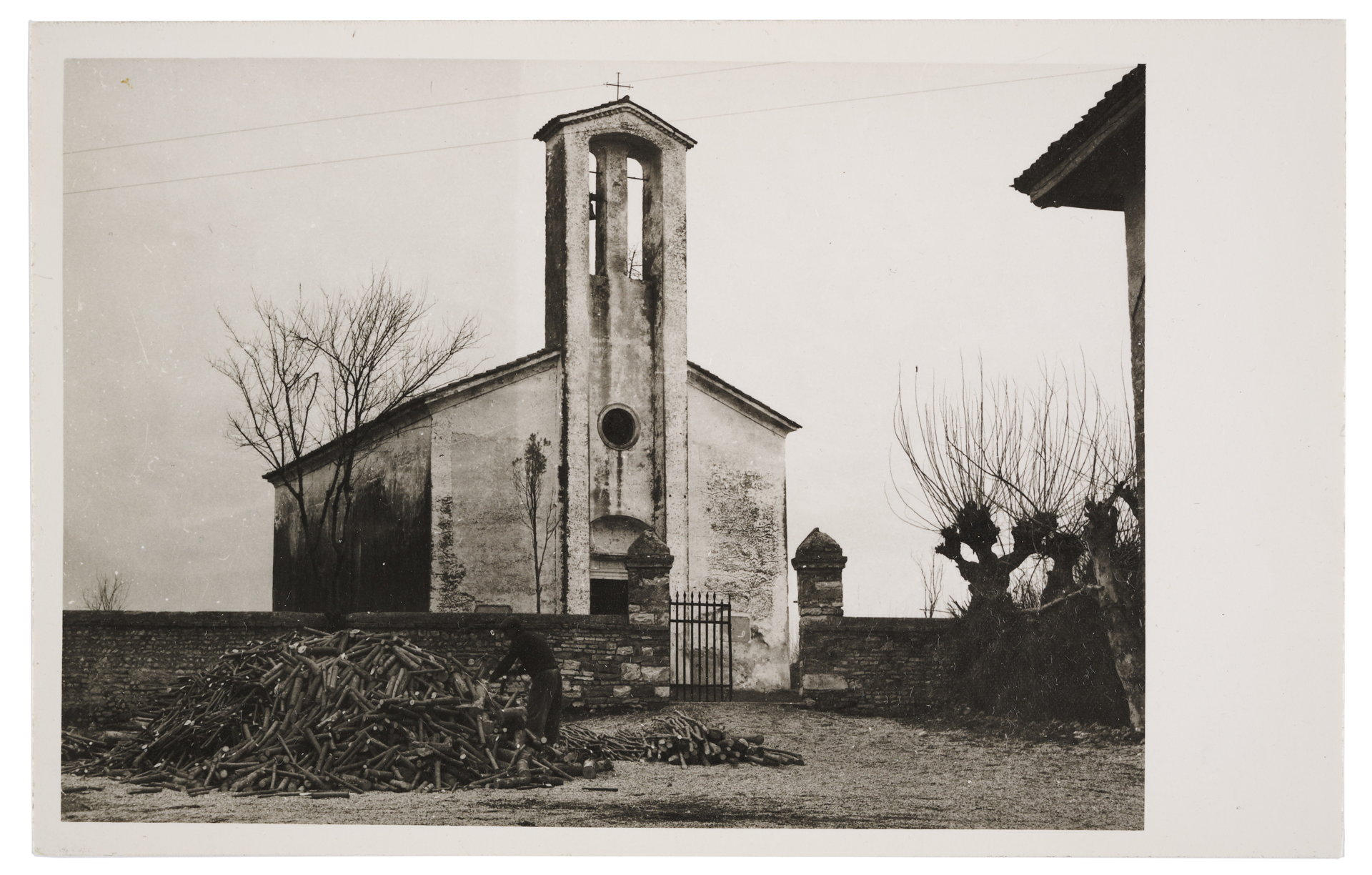
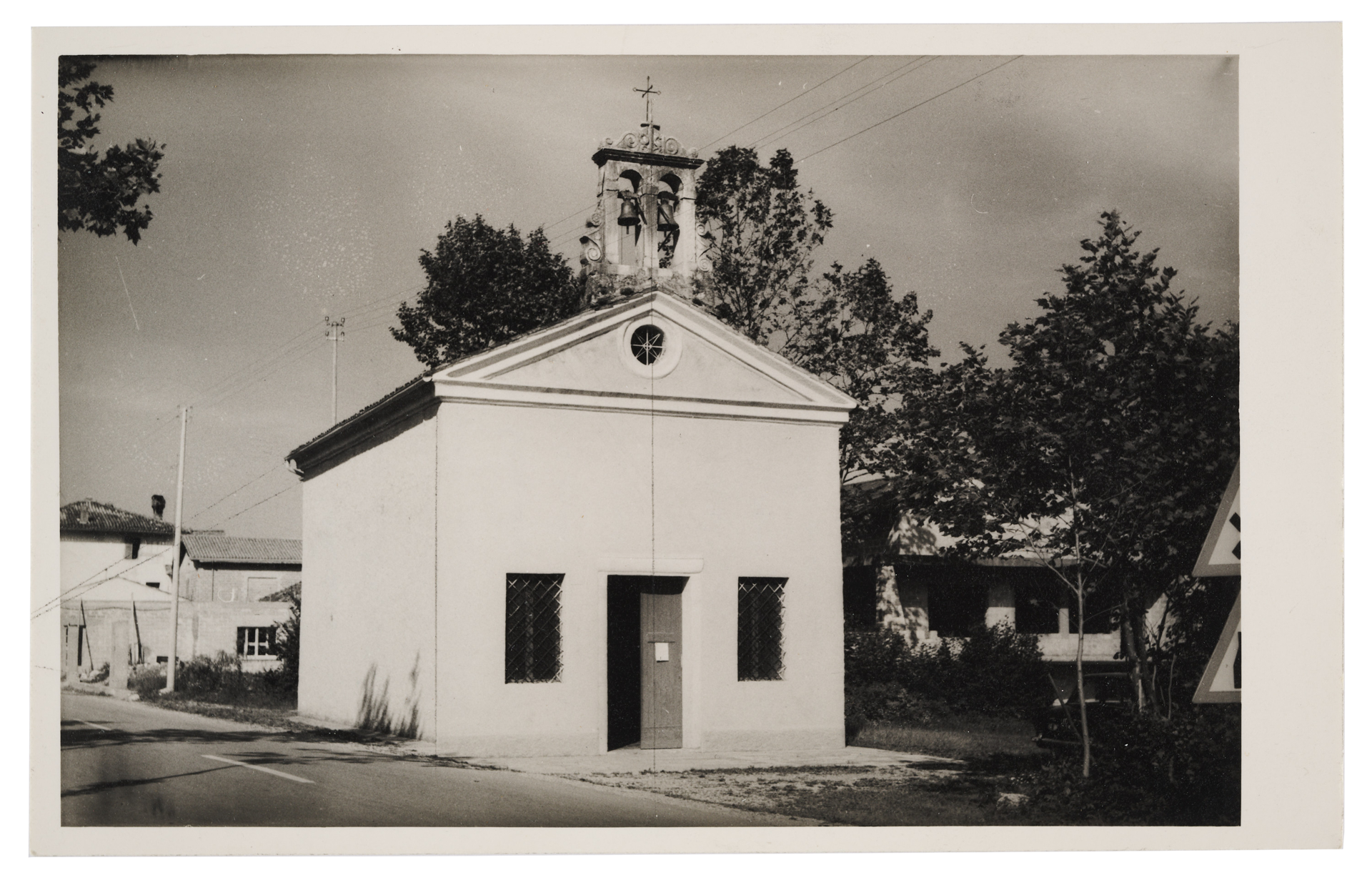
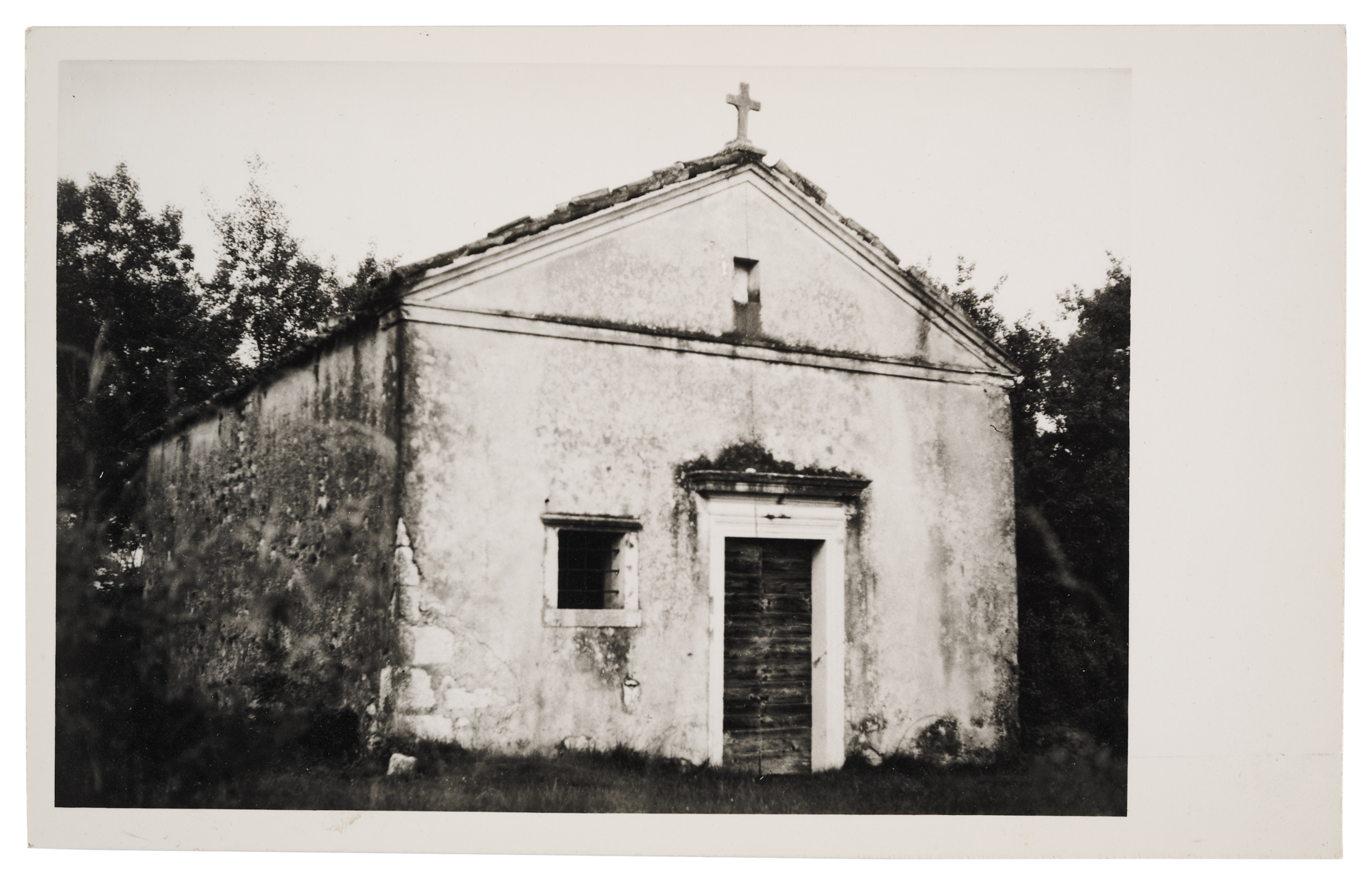
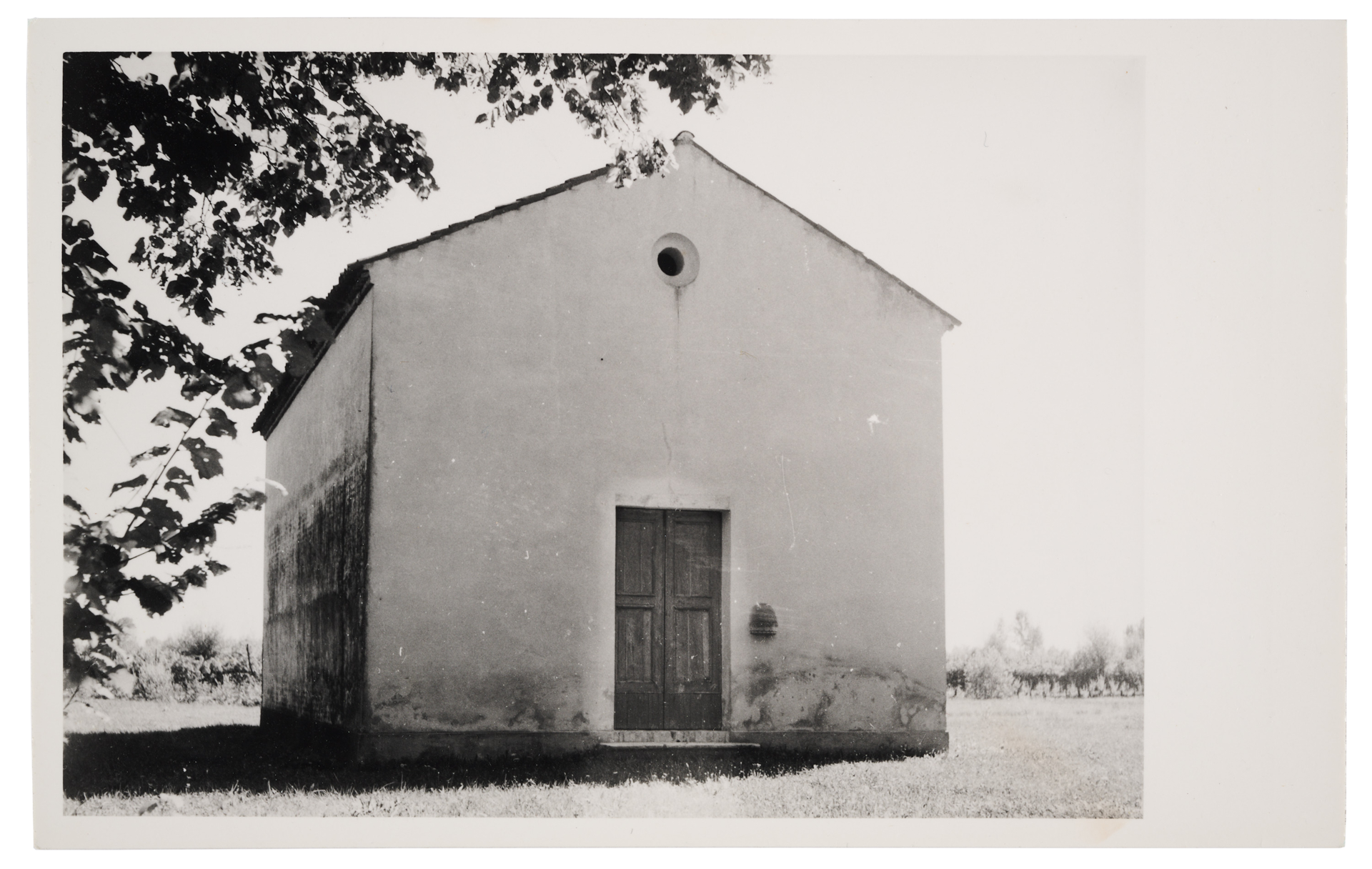
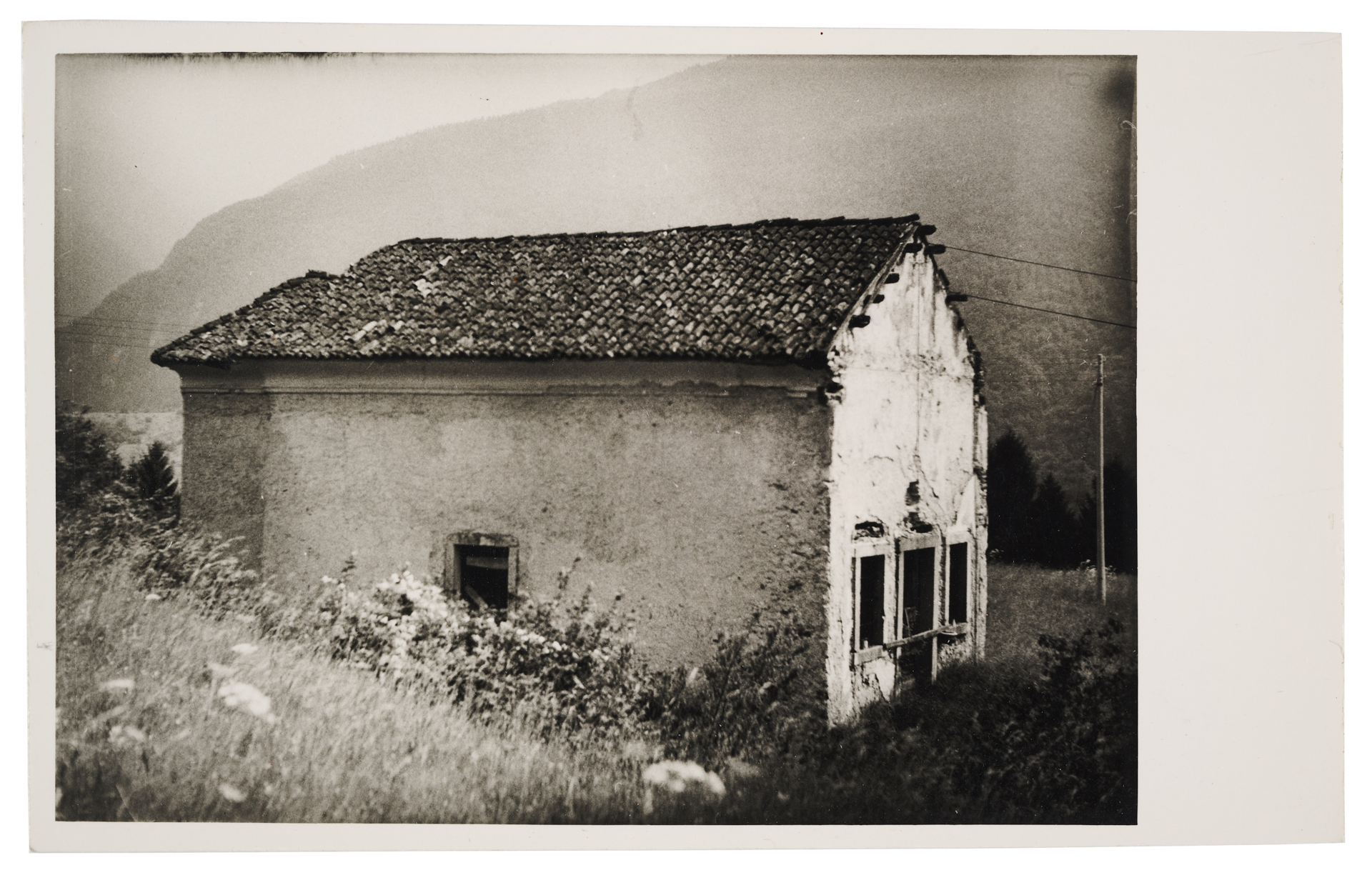
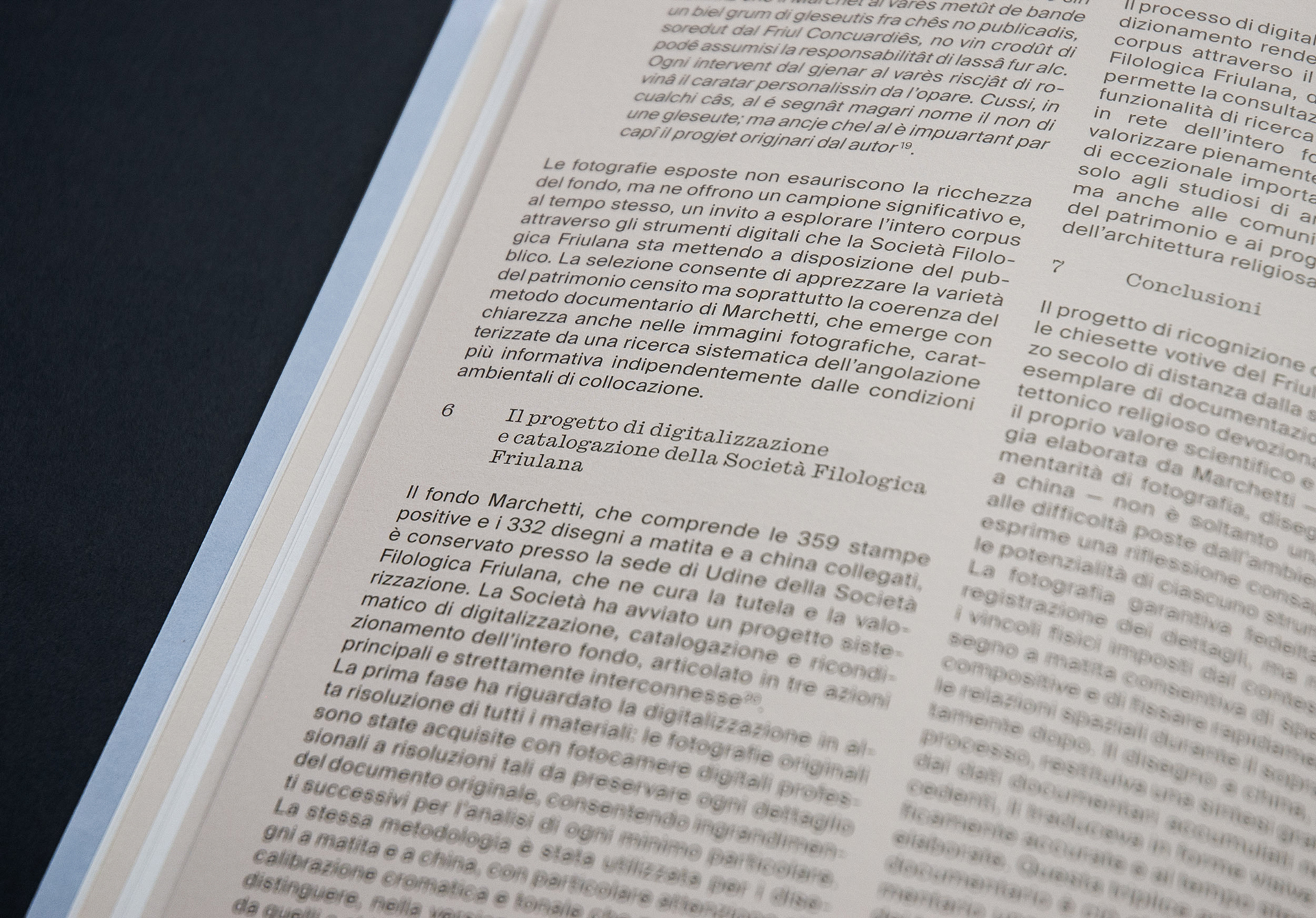
Following research, conservation, digitisation, and cataloguing, the project culminated in the exhibition Le chiesette di Giuseppe Marchetti. Grana Fina, in collaboration with graphic designer Cecilia Cappelli, curated all aspects of the exhibition, from the careful selection of visual materials to the development of its visual identity and design. Particular attention was devoted to ensuring a coherent curatorial narrative and an effective spatial and communicative presentation of the archival materials. The project culminated with the production of an accompanying catalogue, offering in-depth historical and critical essays on the works and documents featured in the exhibition.
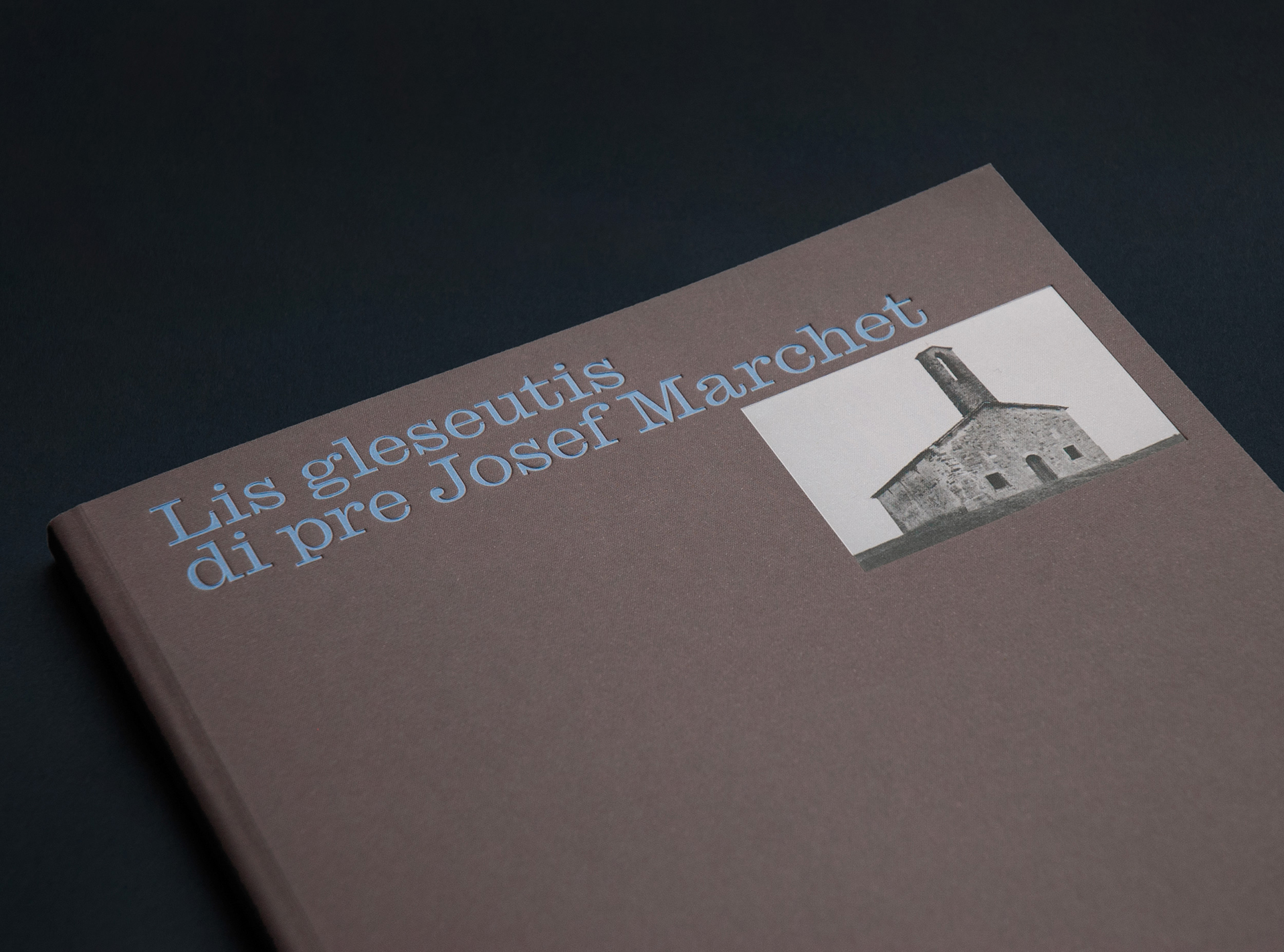
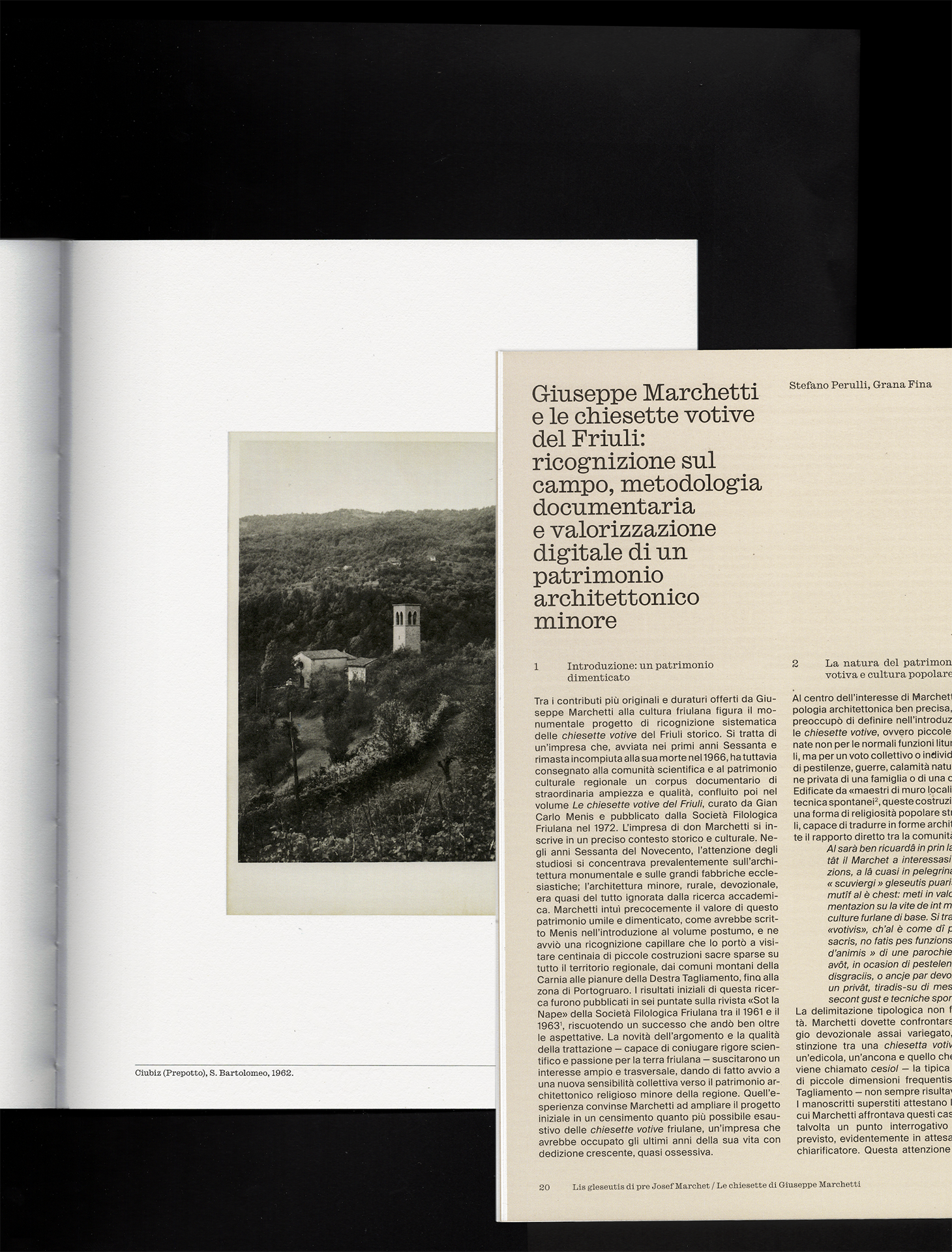
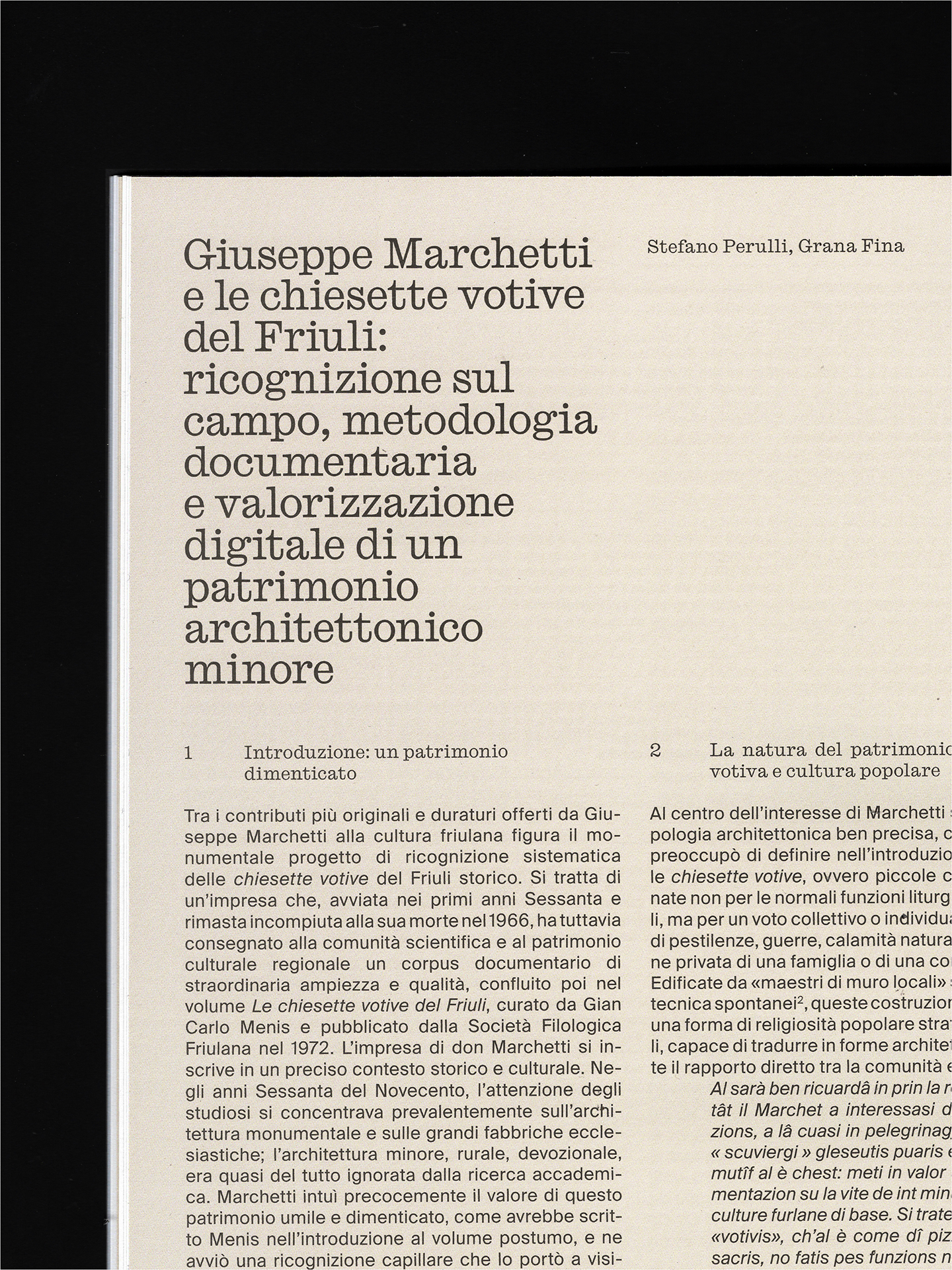
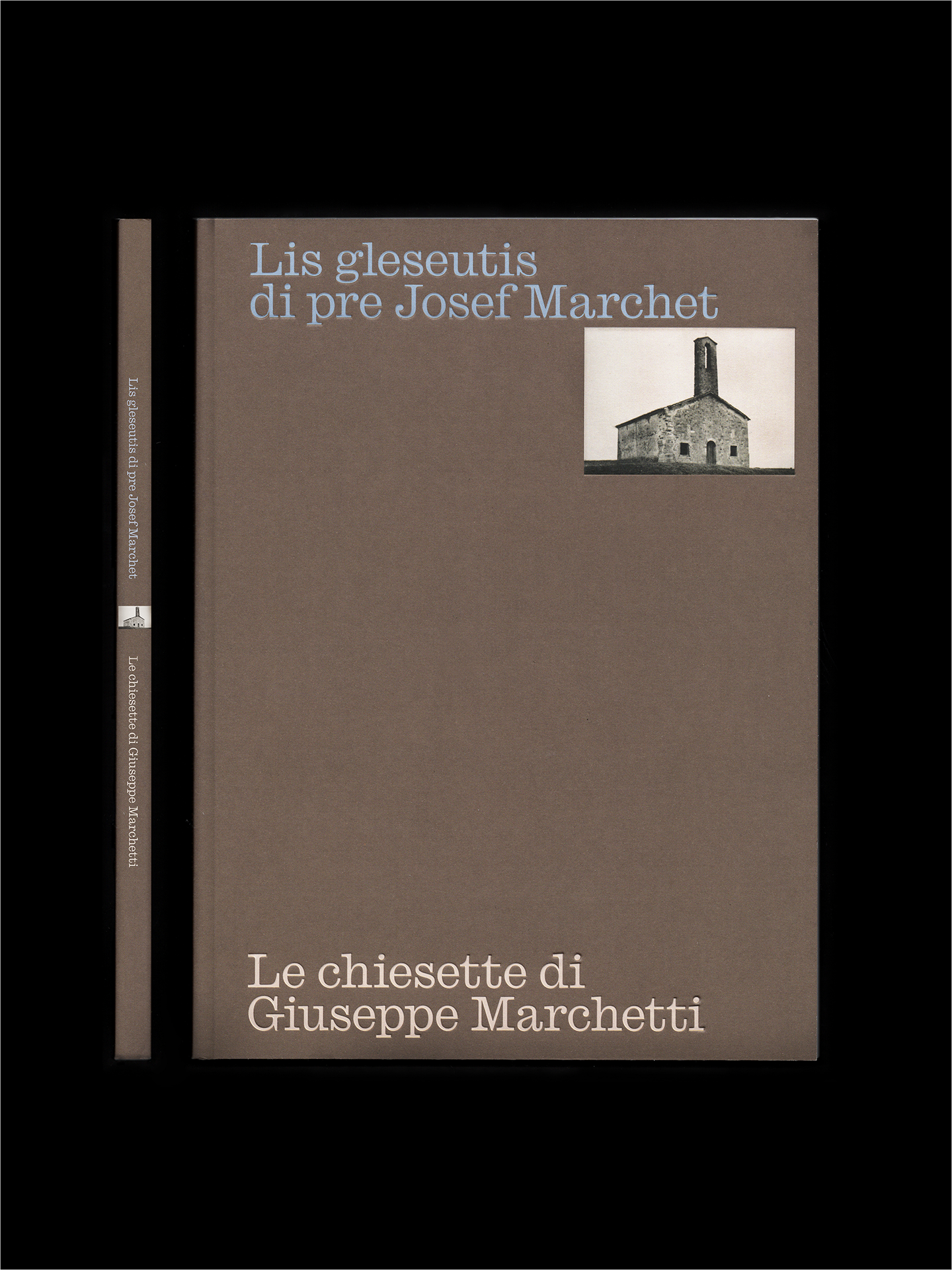
We would like to express our gratitude to the Società Filologica Friulana for kindly allowing the publication of some images from the Giuseppe Marchetti photographic collection.