Project
CarniaFotografia 4.0: a digital archive of Carnia’s photographic heritage
Client, year
Expertise
- Cataloging
- Digitization
The CarniaFotografia Territorial Photo Archive preserves and promotes a photographic heritage of remarkable historical, cultural, and documentary significance, deeply rooted in the memory of Carnia and its communities. Through images spanning much of the 20th-century, the archive offers a multifaceted portrait of everyday life, natural and human-shaped landscapes, economic activities, community networks, and the profound social transformations that have shaped the region over time.
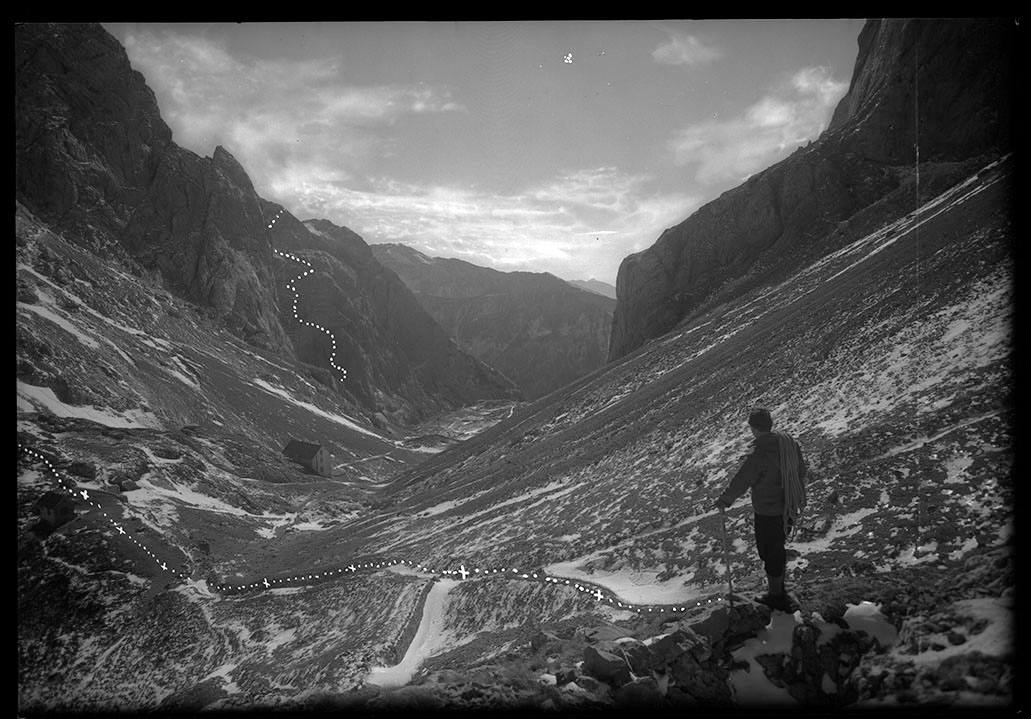

The photographic collections involved in the project - those of Gino Del Fabbro, Umberto Candoni, the Tolmezzo section of the Italian Alpine Club (CAI), Amedeo Zanier, and the Tolmezzo Forestry Inspectorate - form a diverse yet complementary corpus. Together, they document both the individual work of photographers and the collective dimensions of Alpine life, including mountaineering, forest management, and community activities. Taken together, these collections constitute an invaluable primary source for tracing the history and cultural identity of Carnia. A significant portion of this heritage is still preserved in analogue form, including glass plates, film negatives and photographic prints, and has until recently been only partially digitized and cataloged.
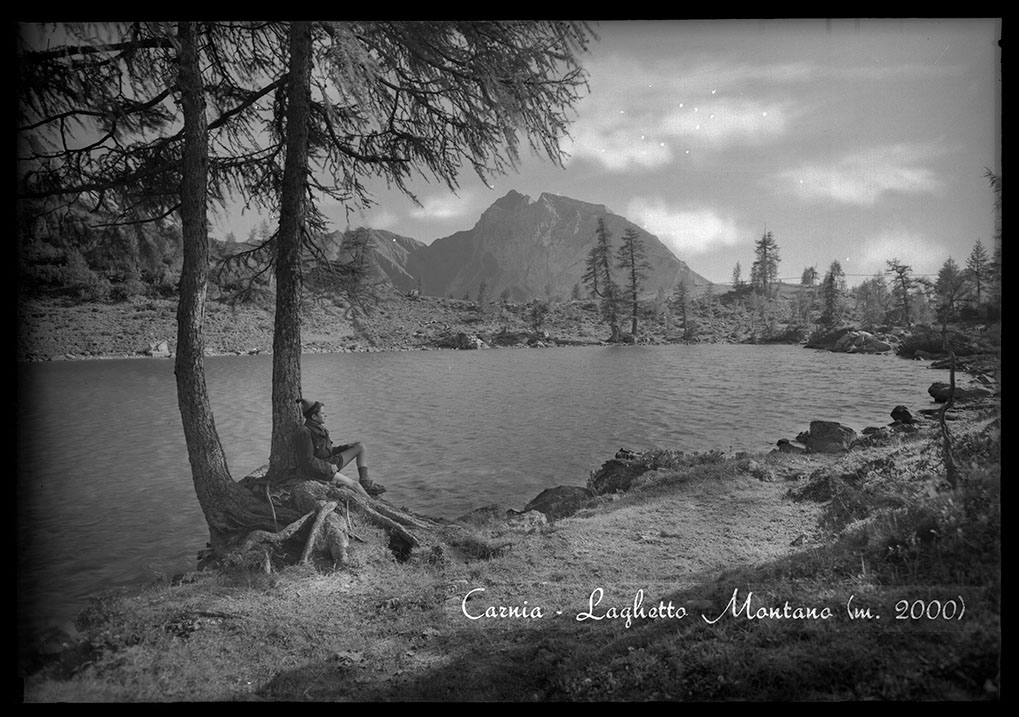
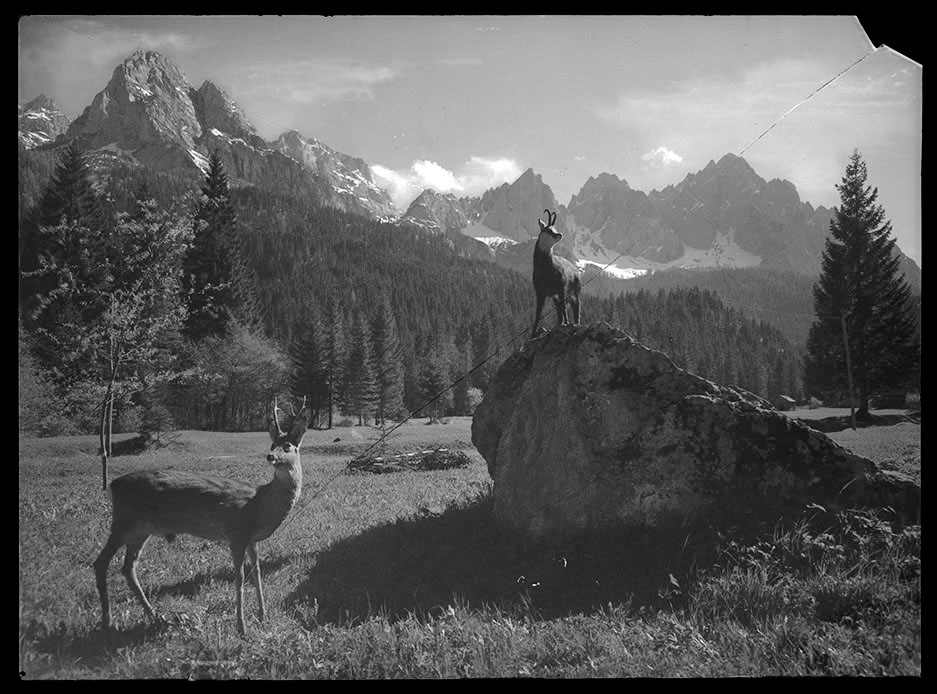
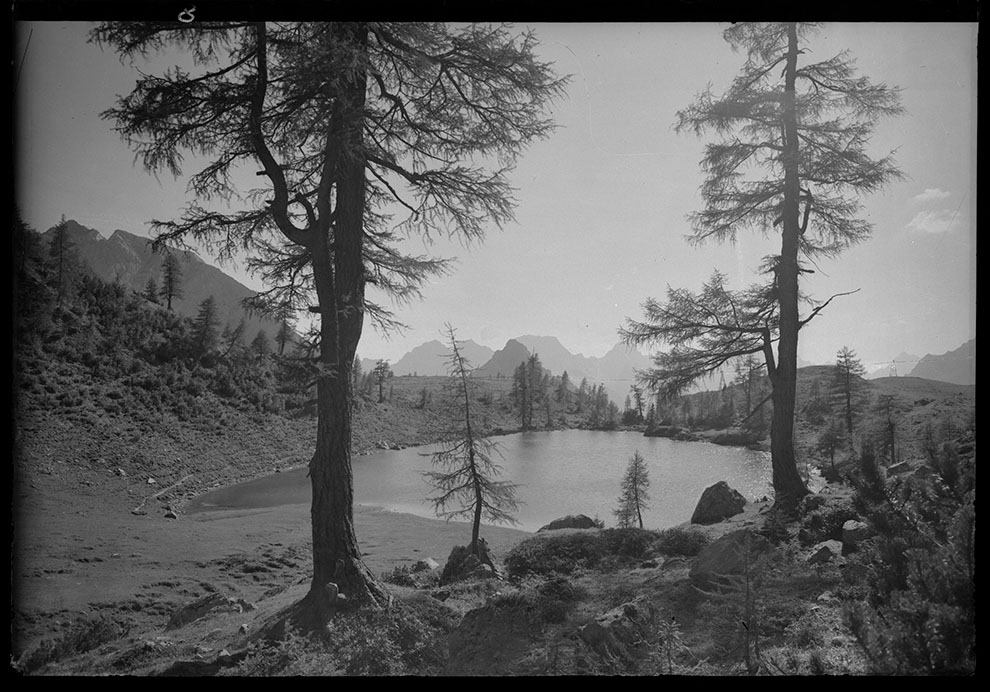
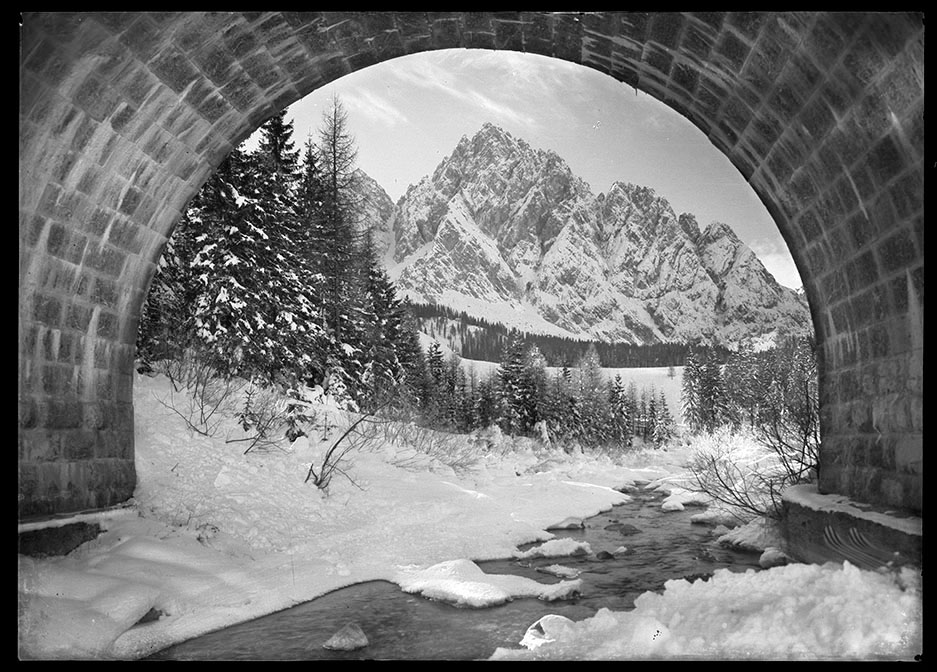
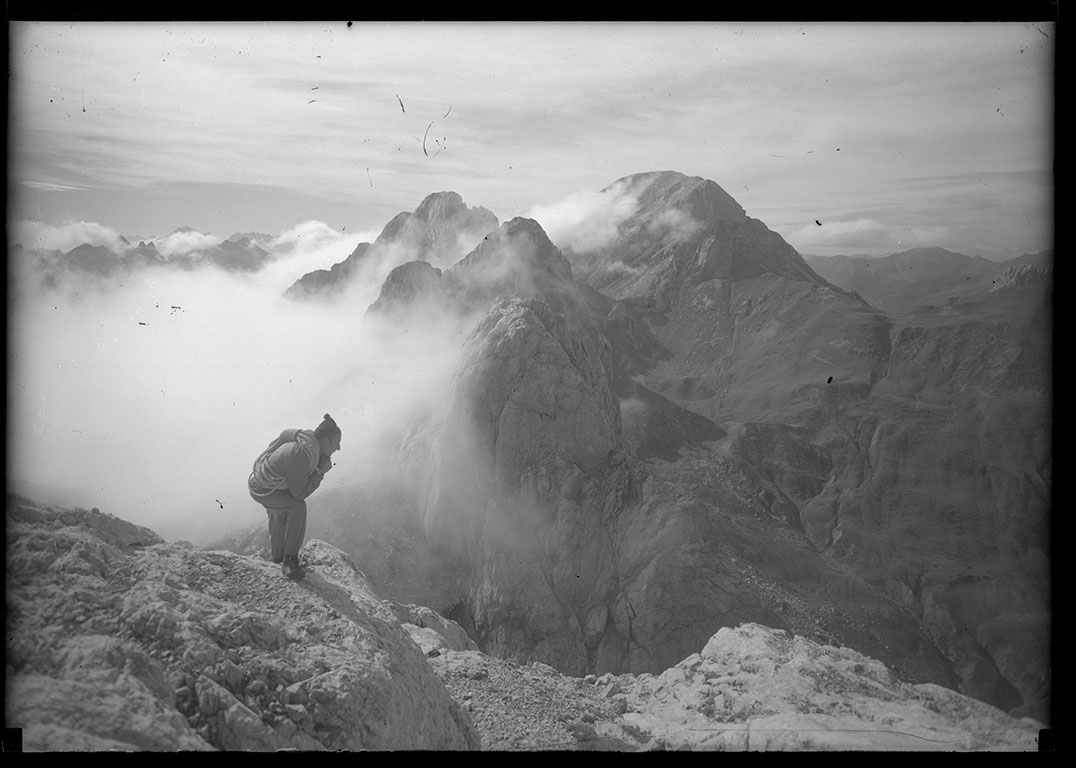
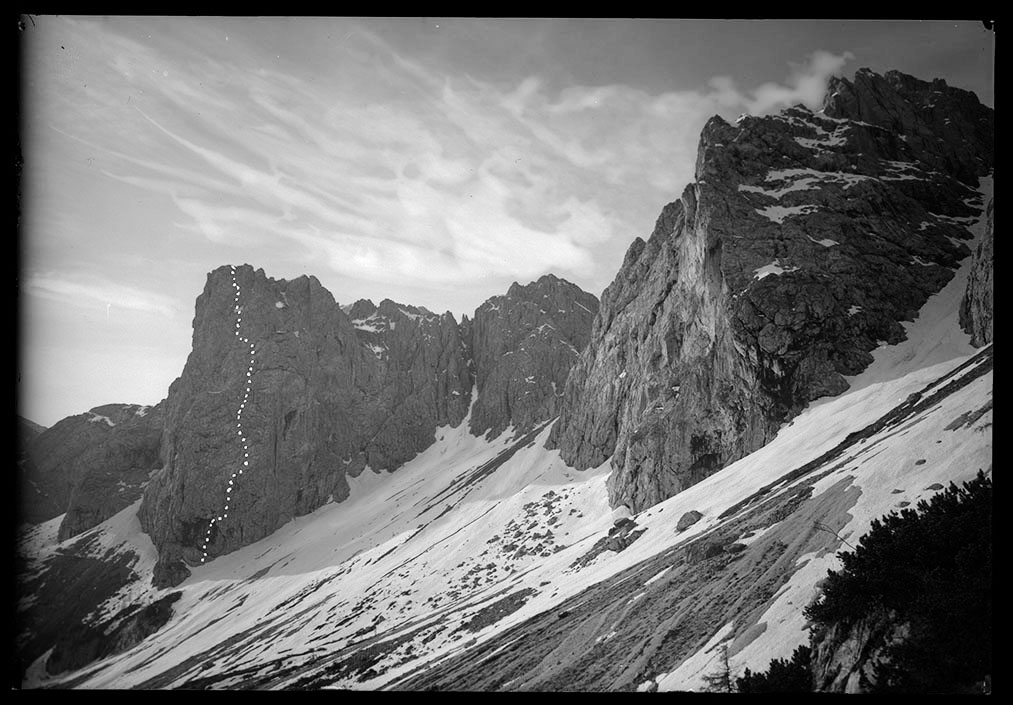


The project encompassed the cataloguing of approximately 1,000 photographic items held within the archive’s collections. Records were created in accordance with ICCD cataloguing standards, ensuring descriptive consistency, scientific reliability, and interoperability of data. The resulting information was specifically designed to support the harmonisation of images and metadata into a dedicated digital repository, conceived both as a long-term preservation platform and as a tool for the management and public access to the collections.



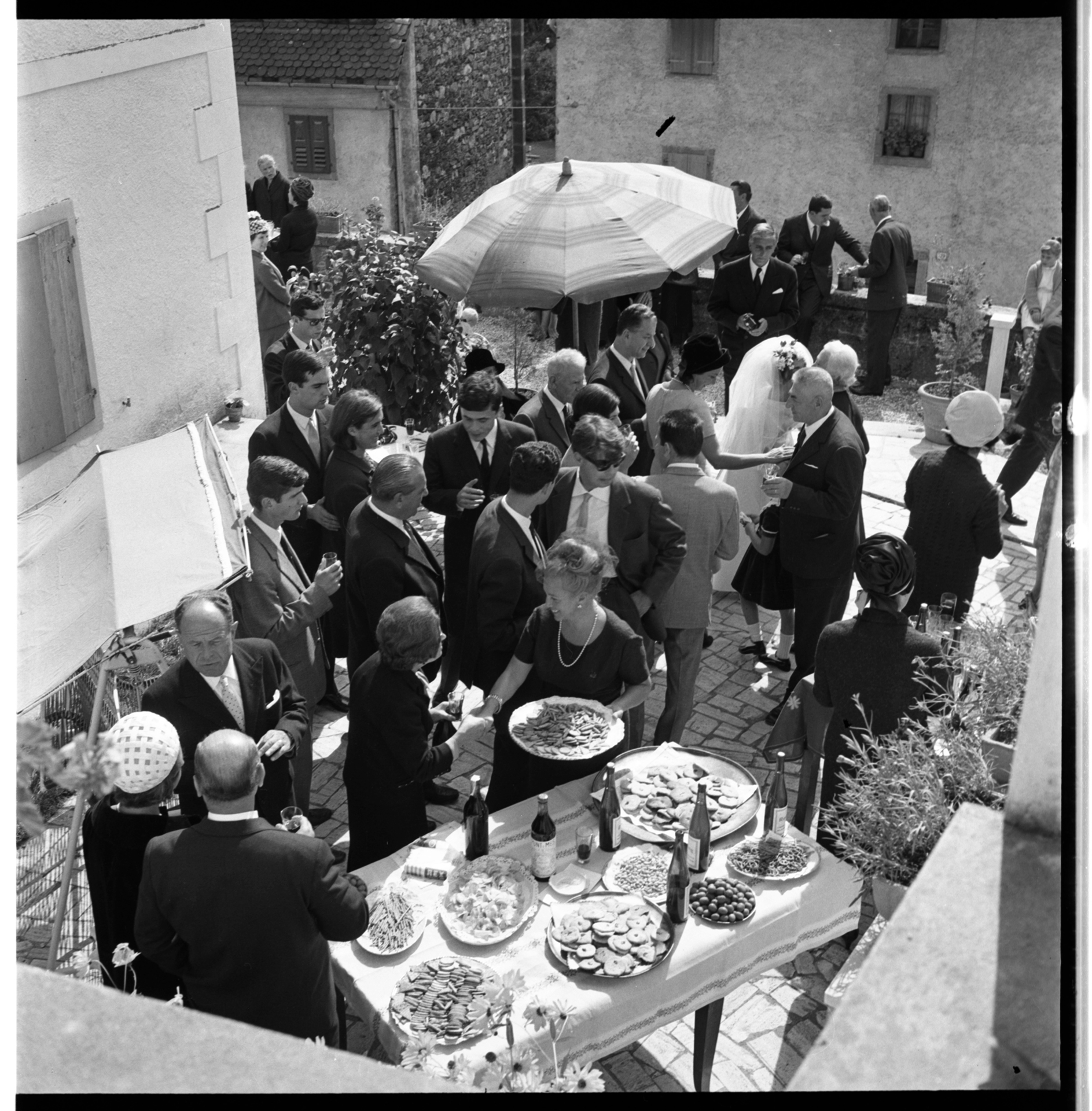


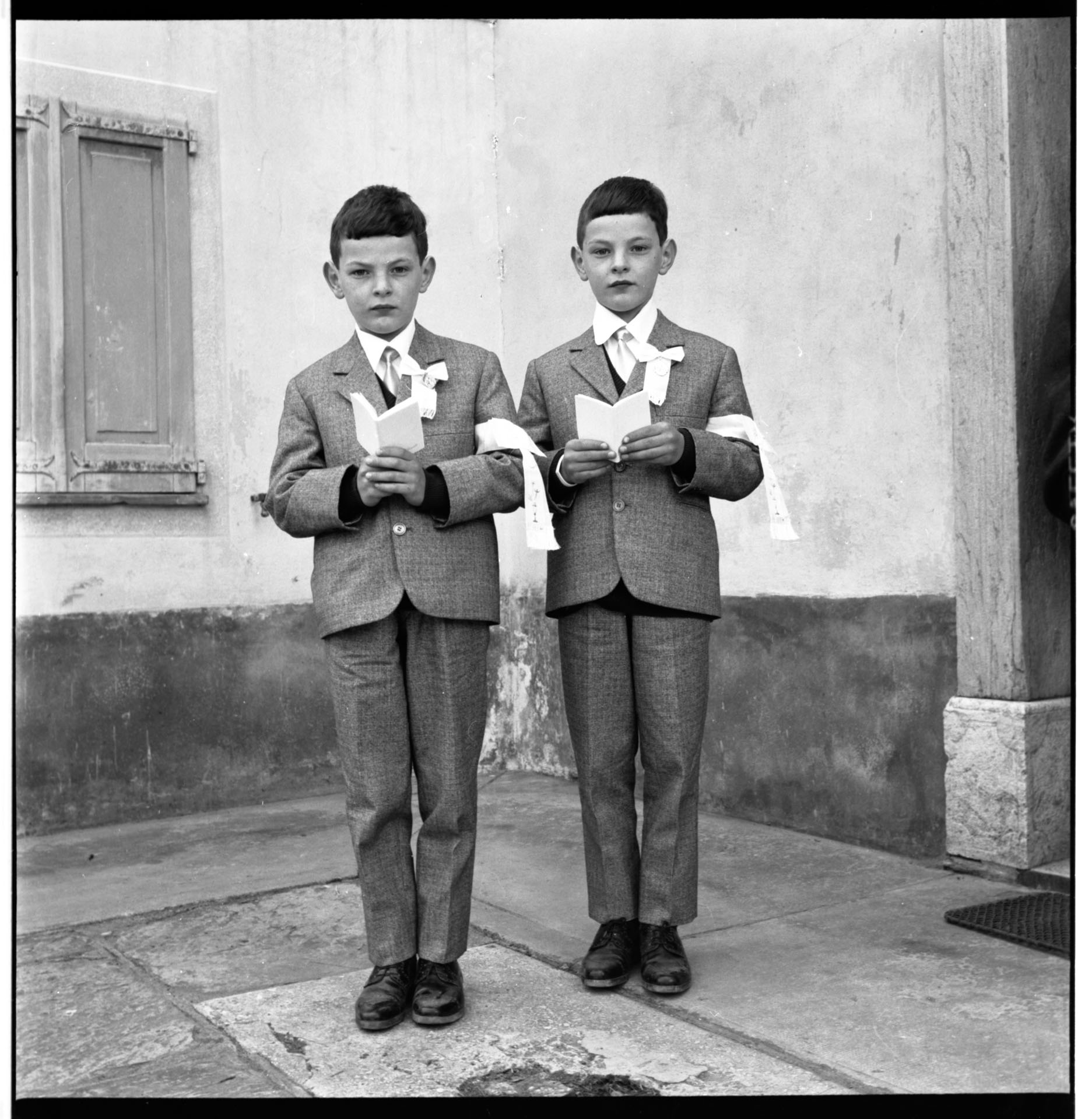
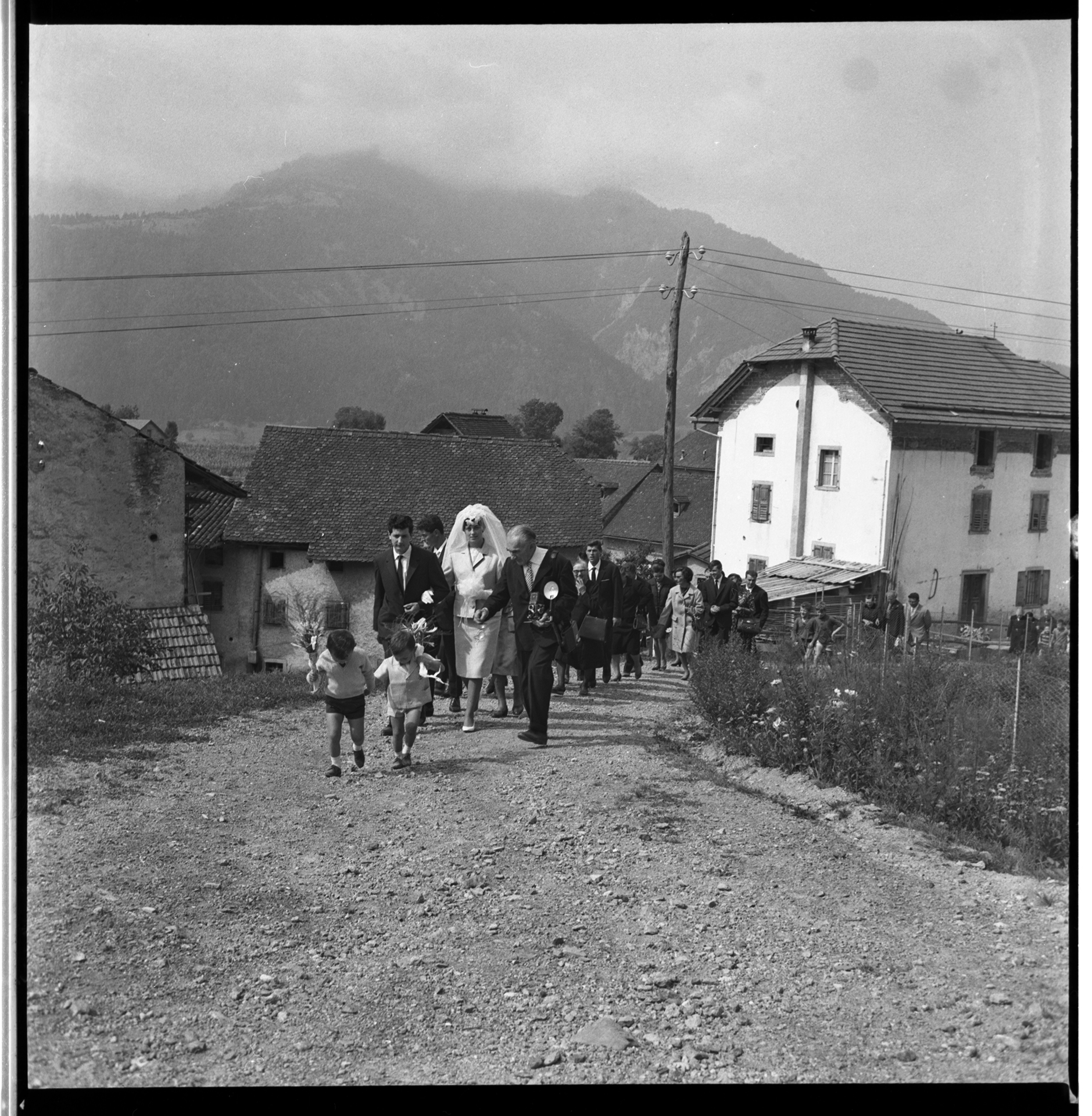

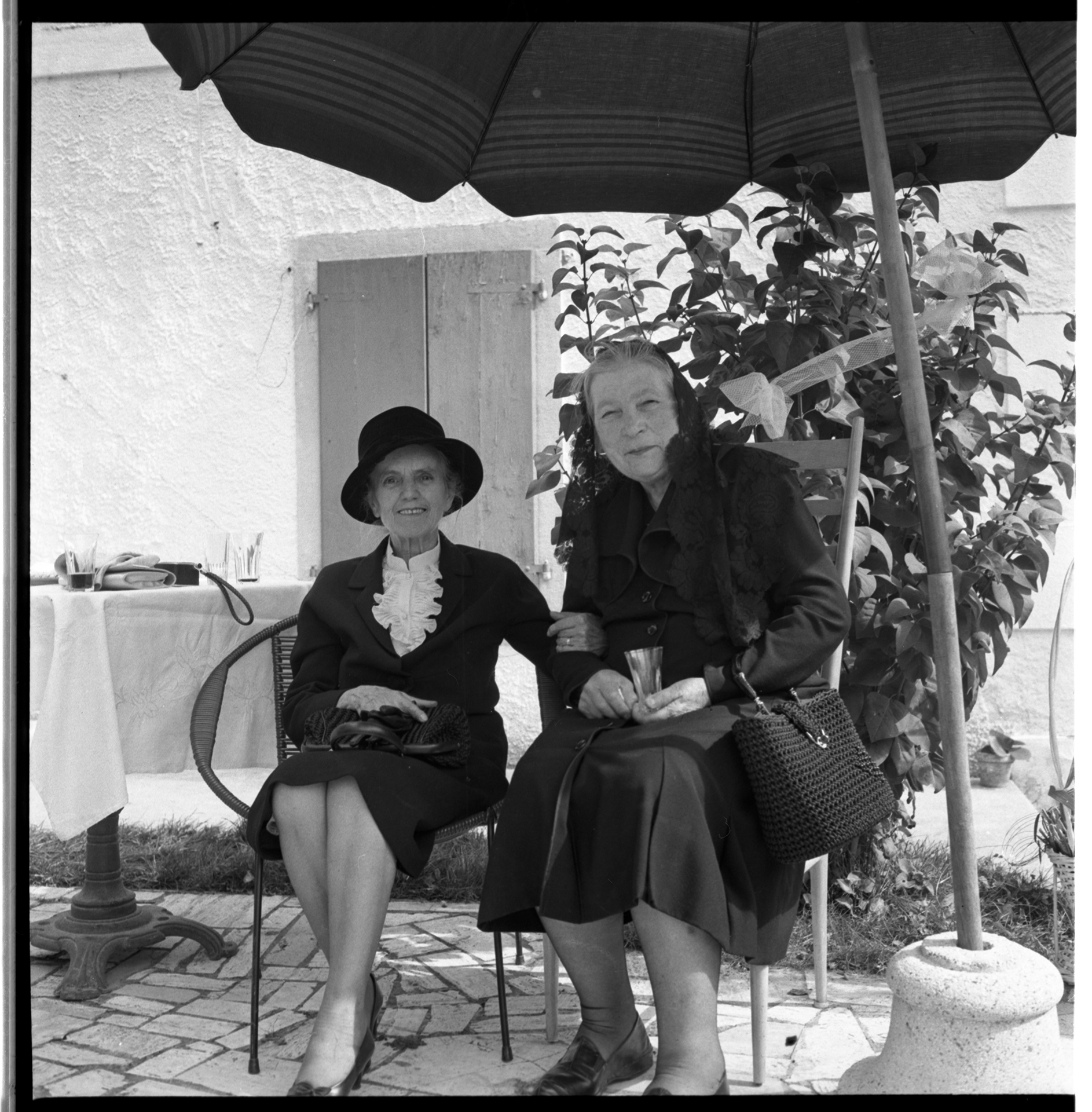


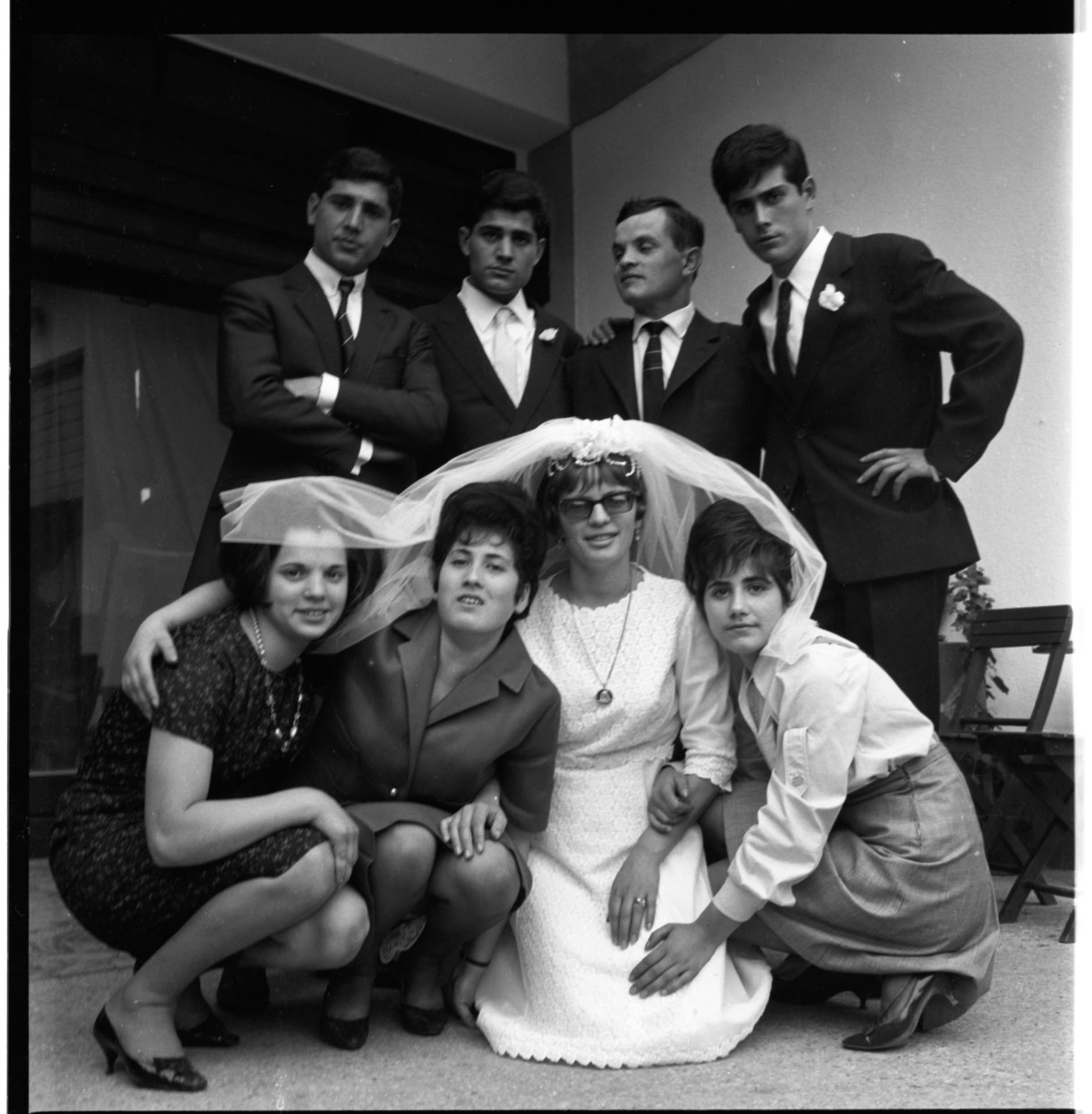
The undertaking marks a significant step forward in the preservation and enhancement of the CarniaFotografia Territorial Photo Archive. The implementation of a structured digital repository has made the photographic heritage more accessible to researchers, scholars, and the wider public, fostering new opportunities for study, interpretation, and cultural dissemination. At the same time, the adoption of standardized cataloguing practices provides a robust foundation for future expansion of the archive and for its integration with regional and national cultural heritage information systems.




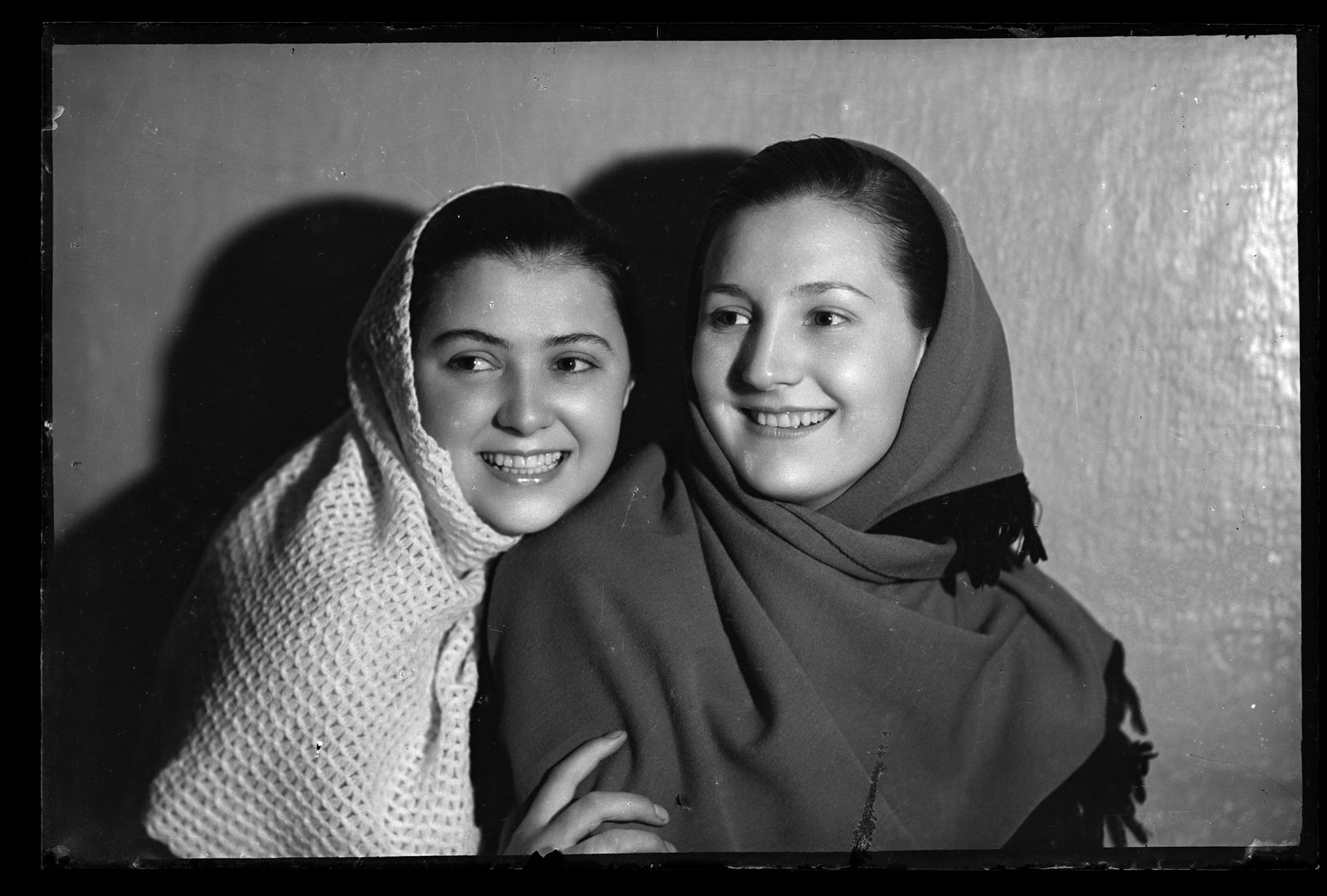

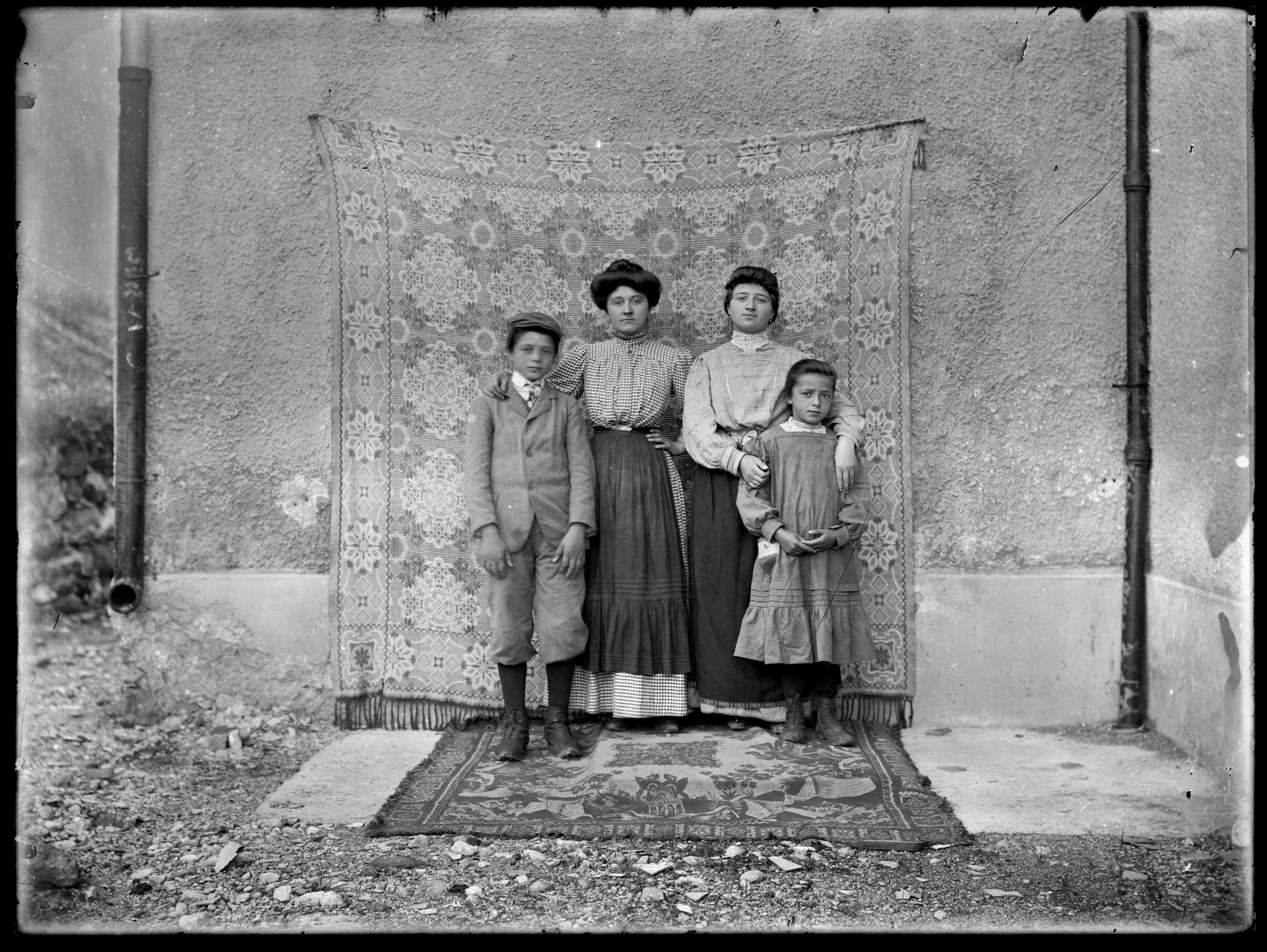
We would like to thank the Mountain Community of Carnia and the CarniaFotografia Territorial Photo Archive for kindly granting permission to publish selected images from the photographic collections held within the archive. We would also like to express our gratitude to the Carnic Photographic Cultural Association for their valuable work in digitizing the original materials covered within the cataloguing project.